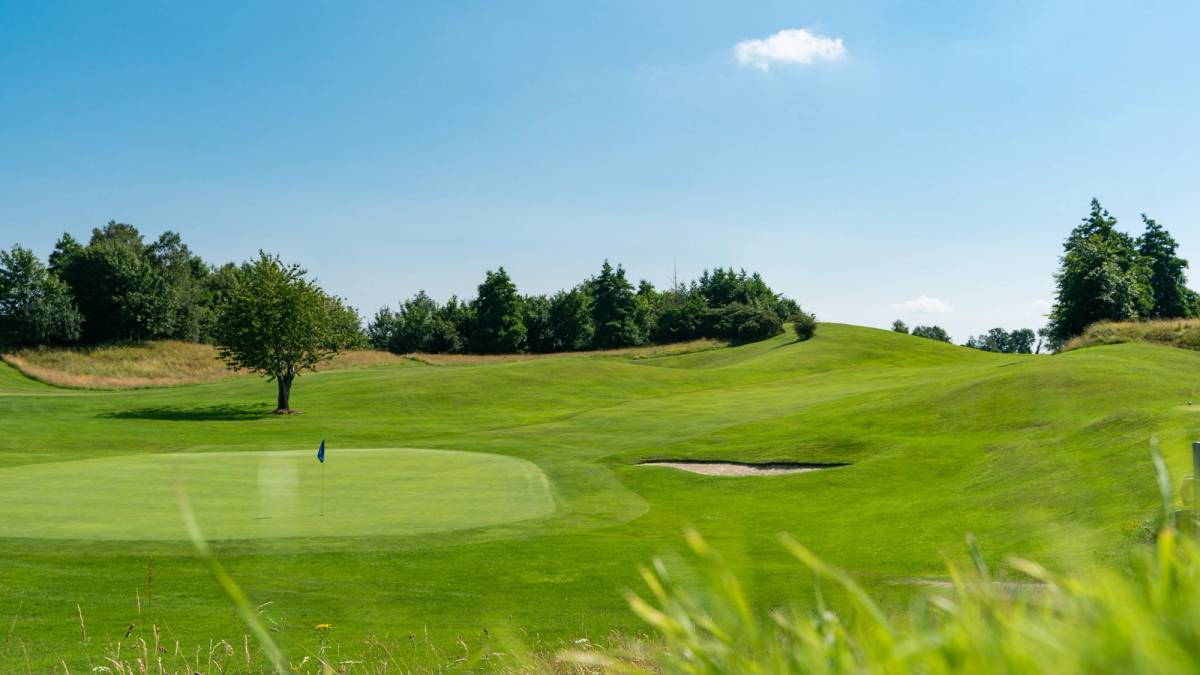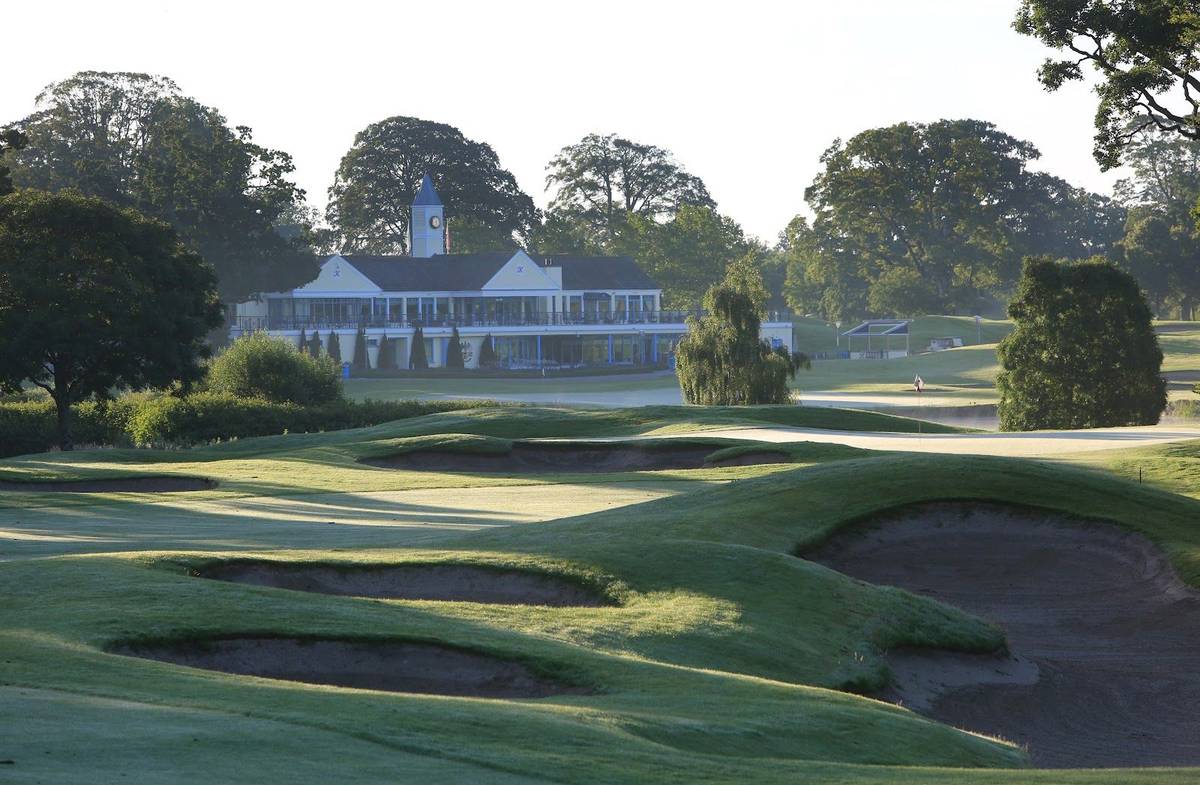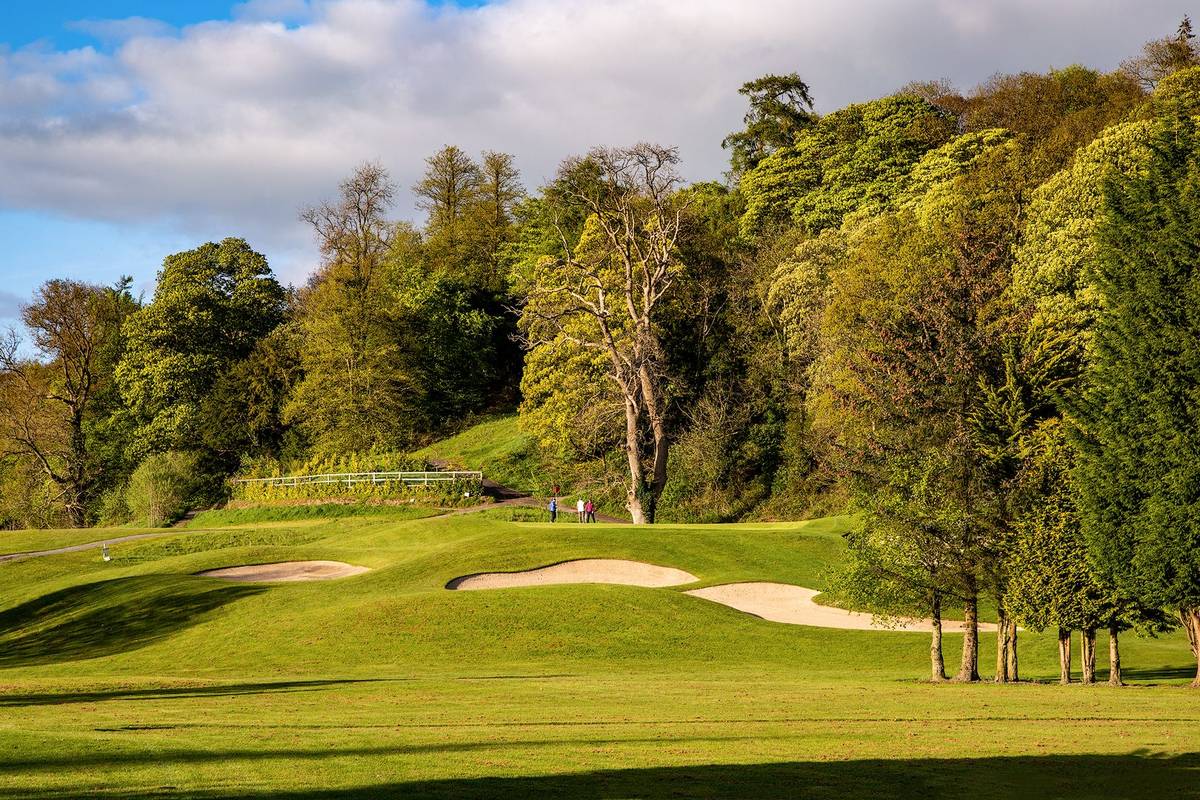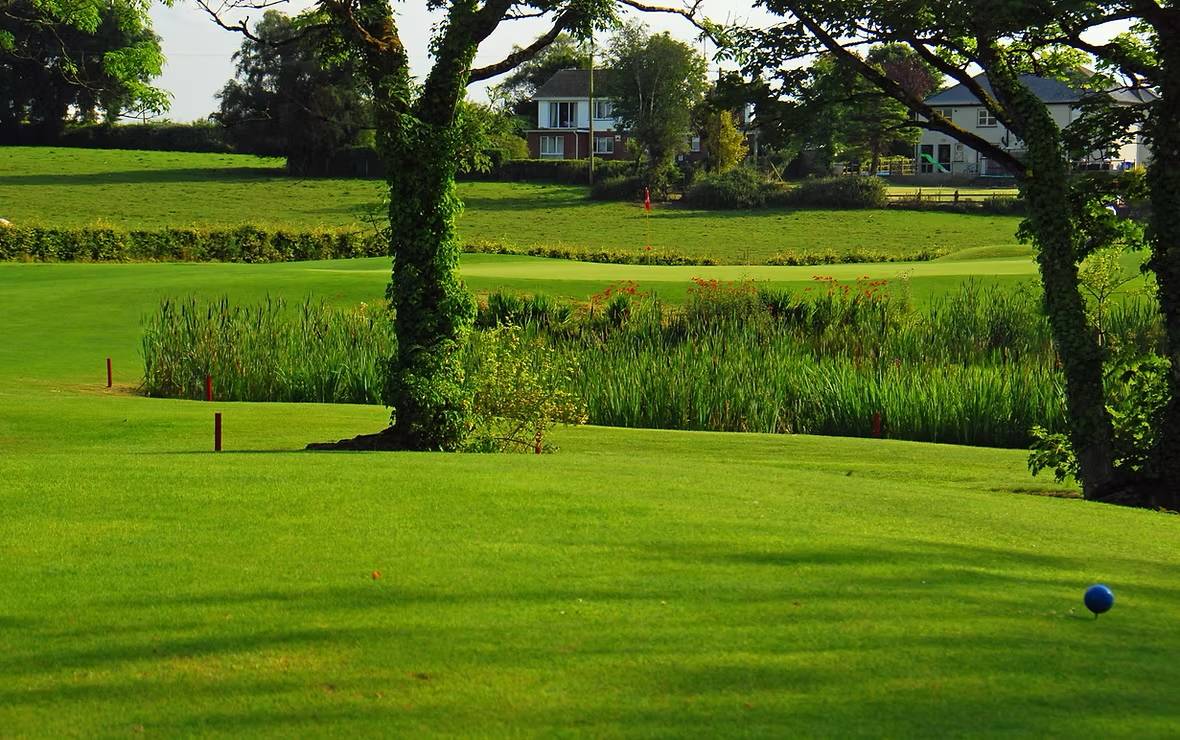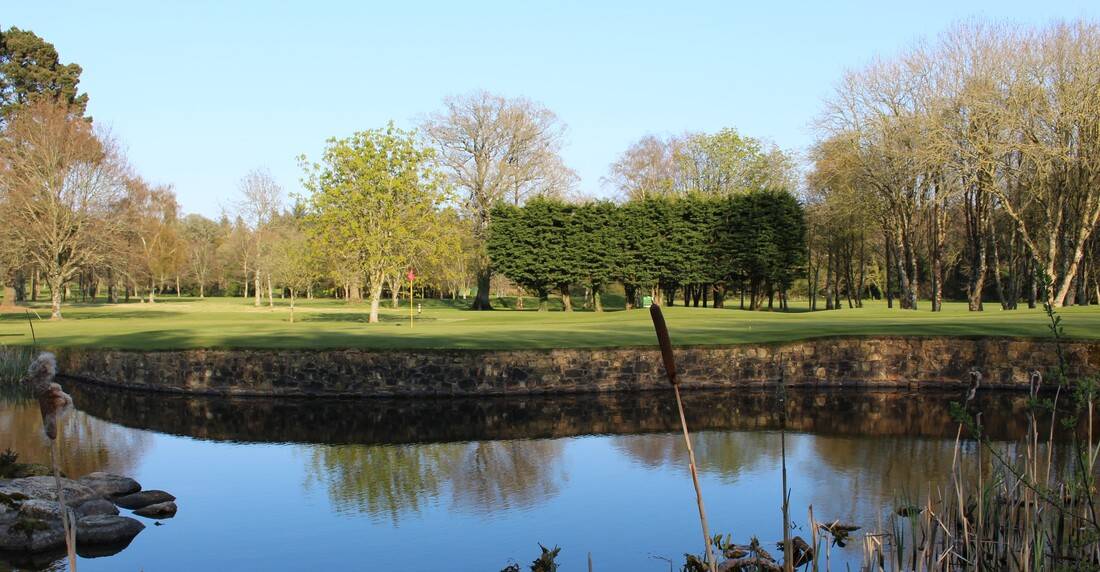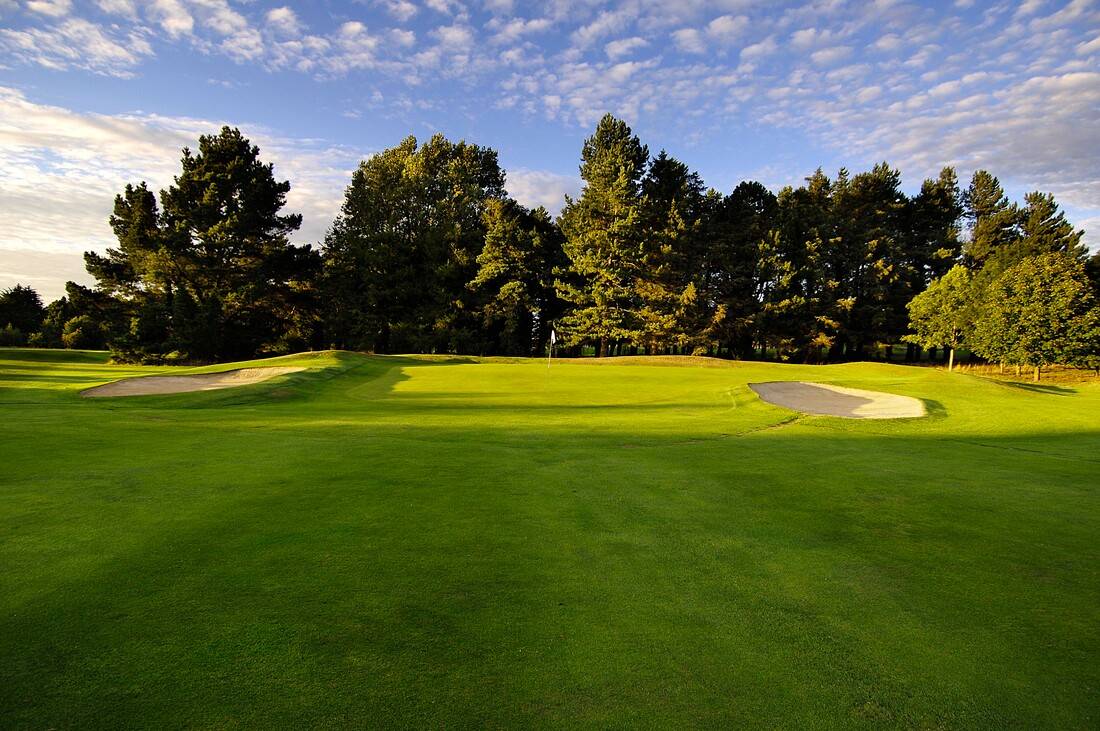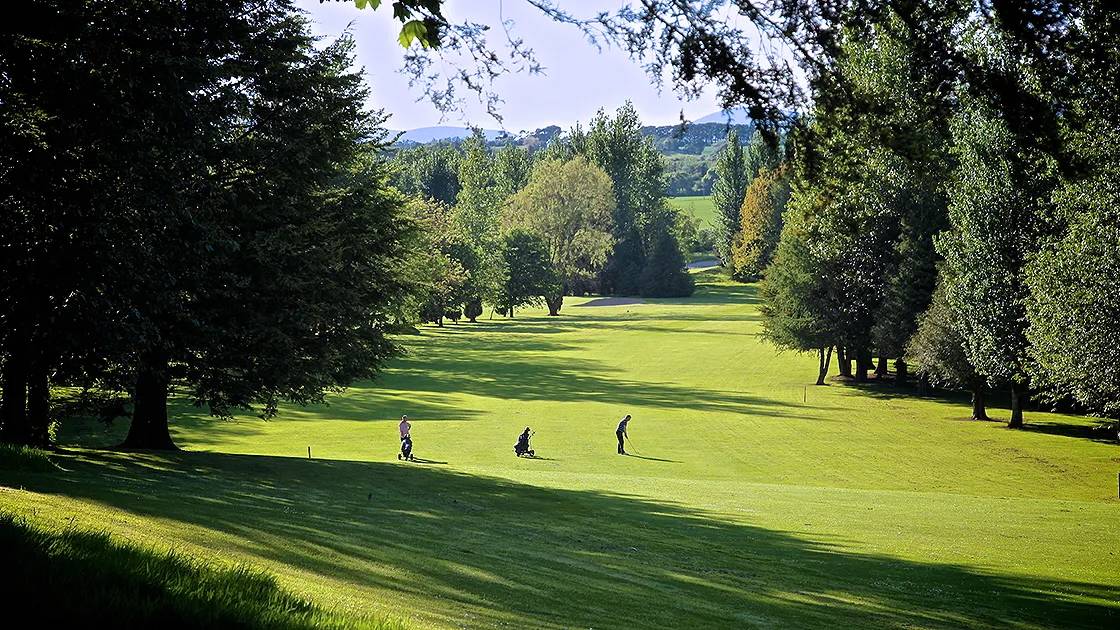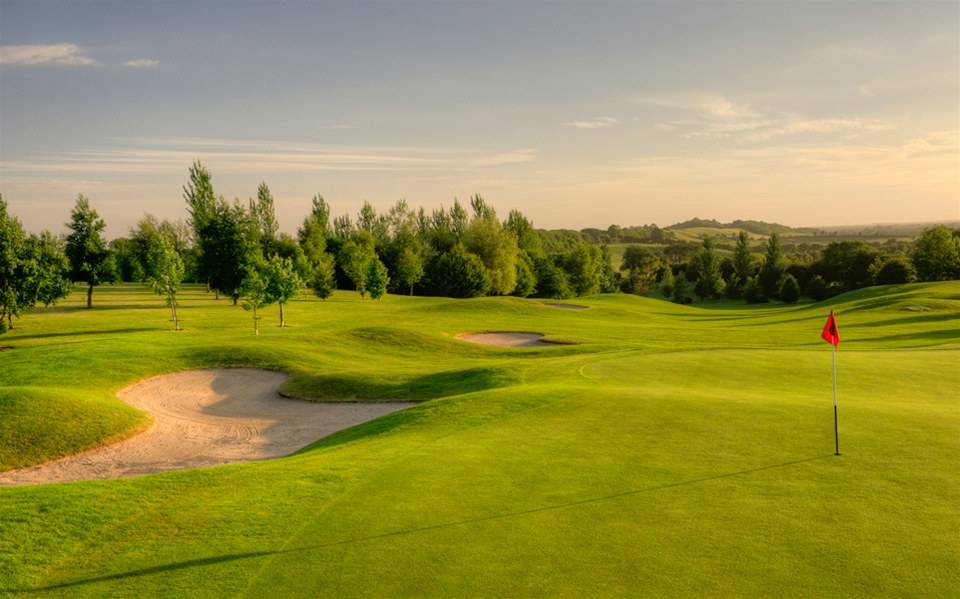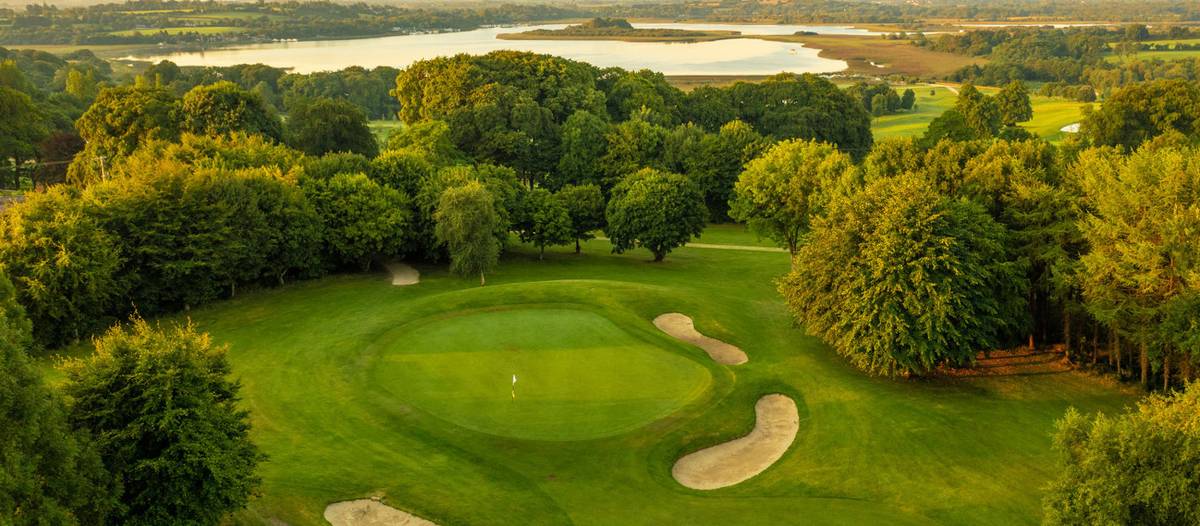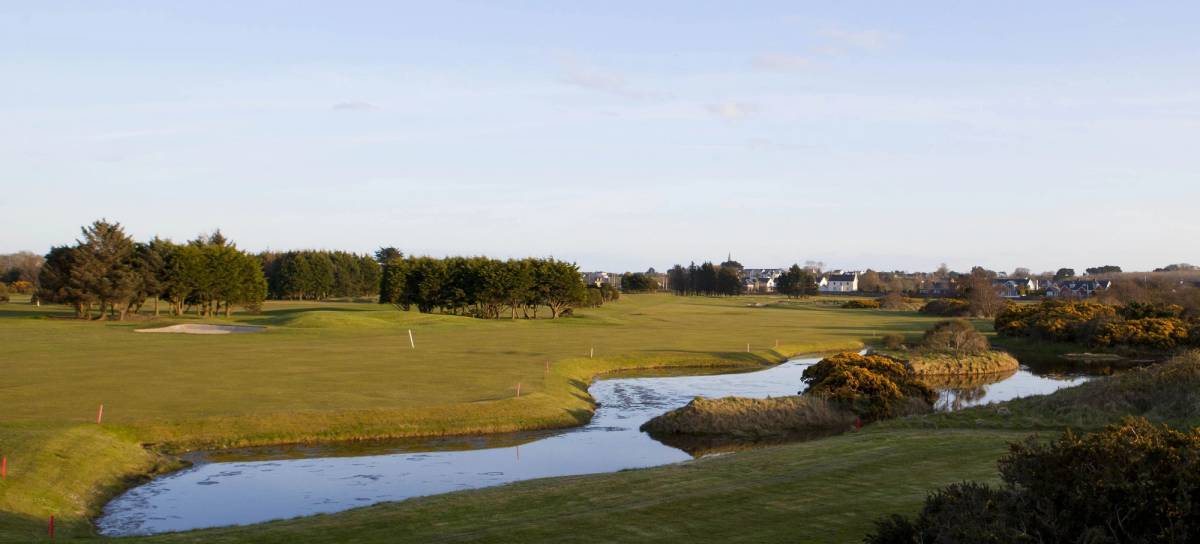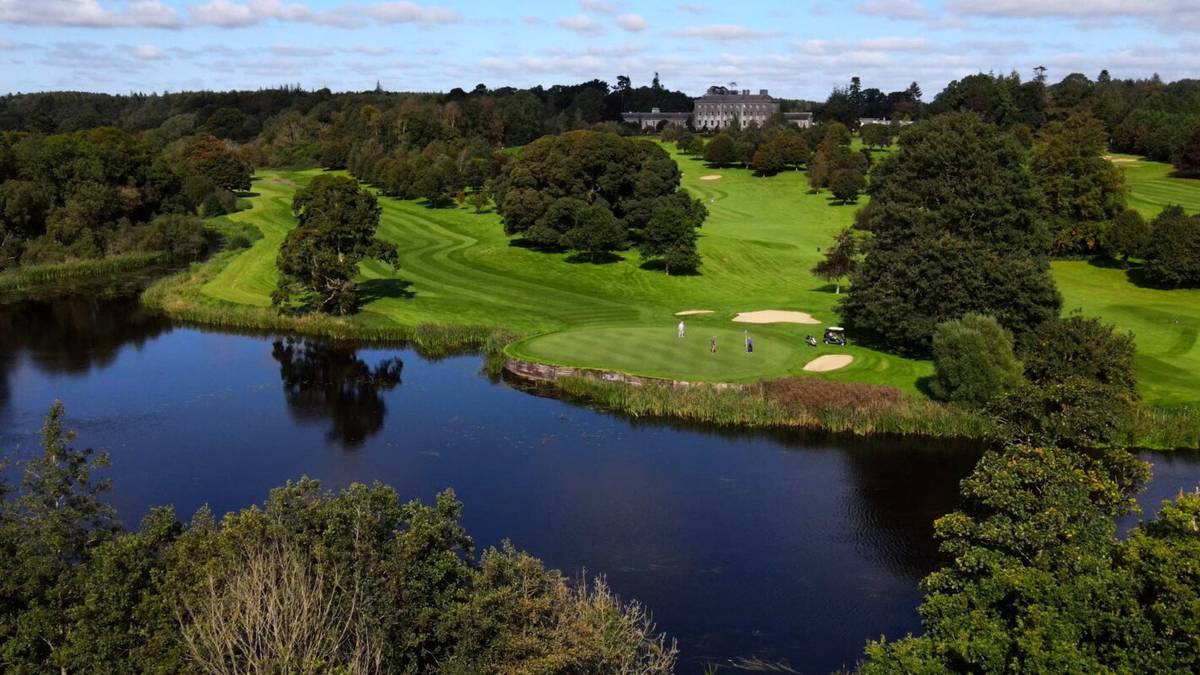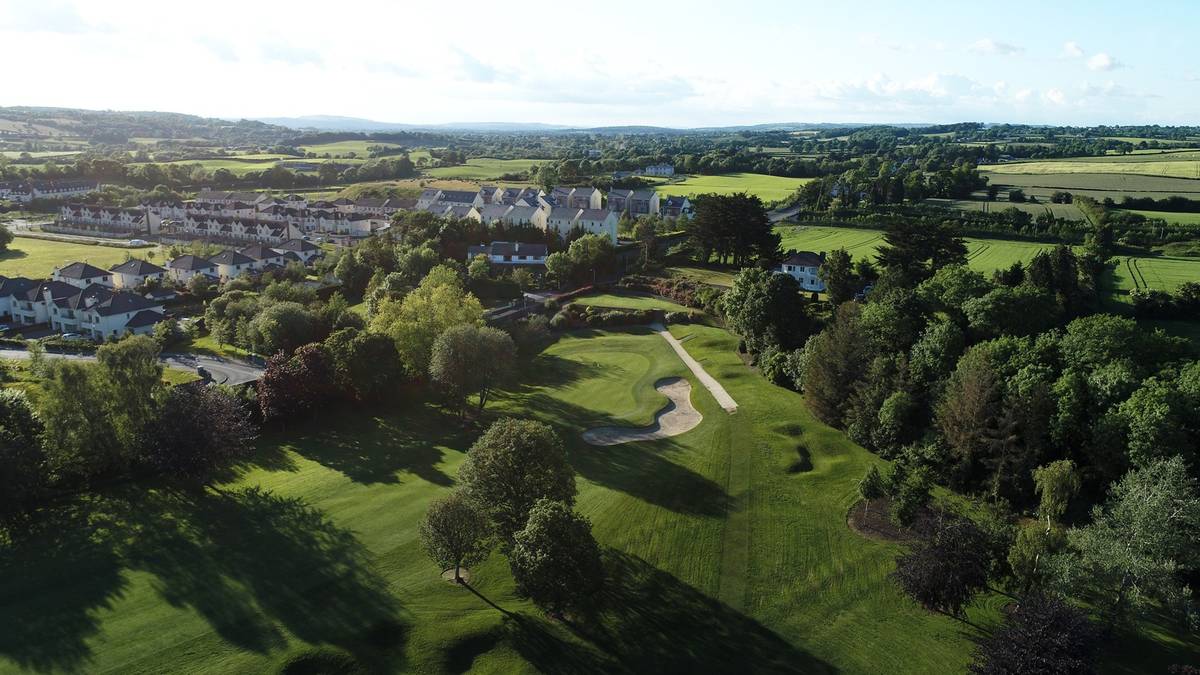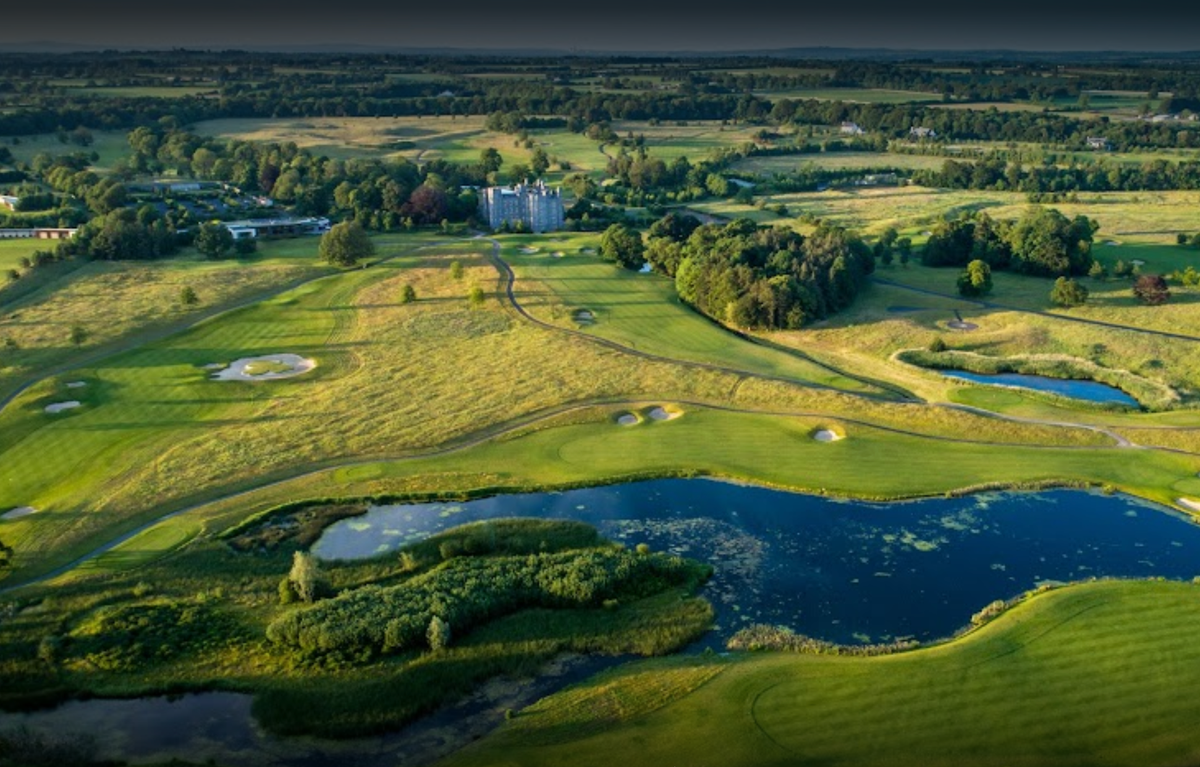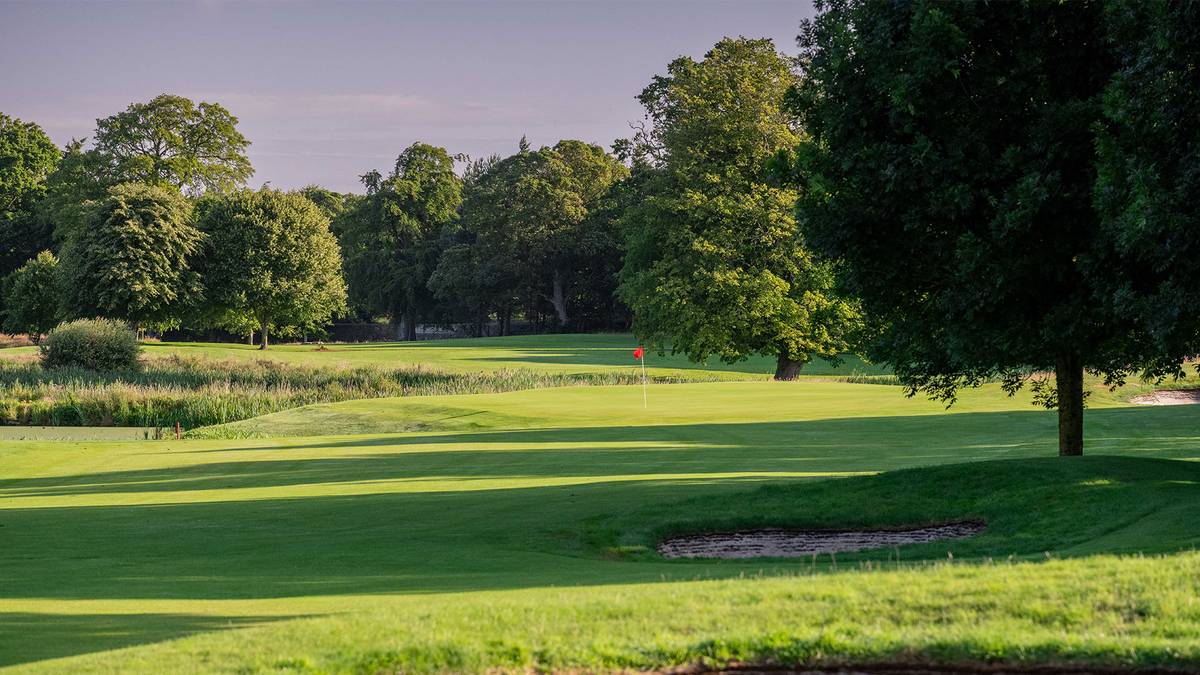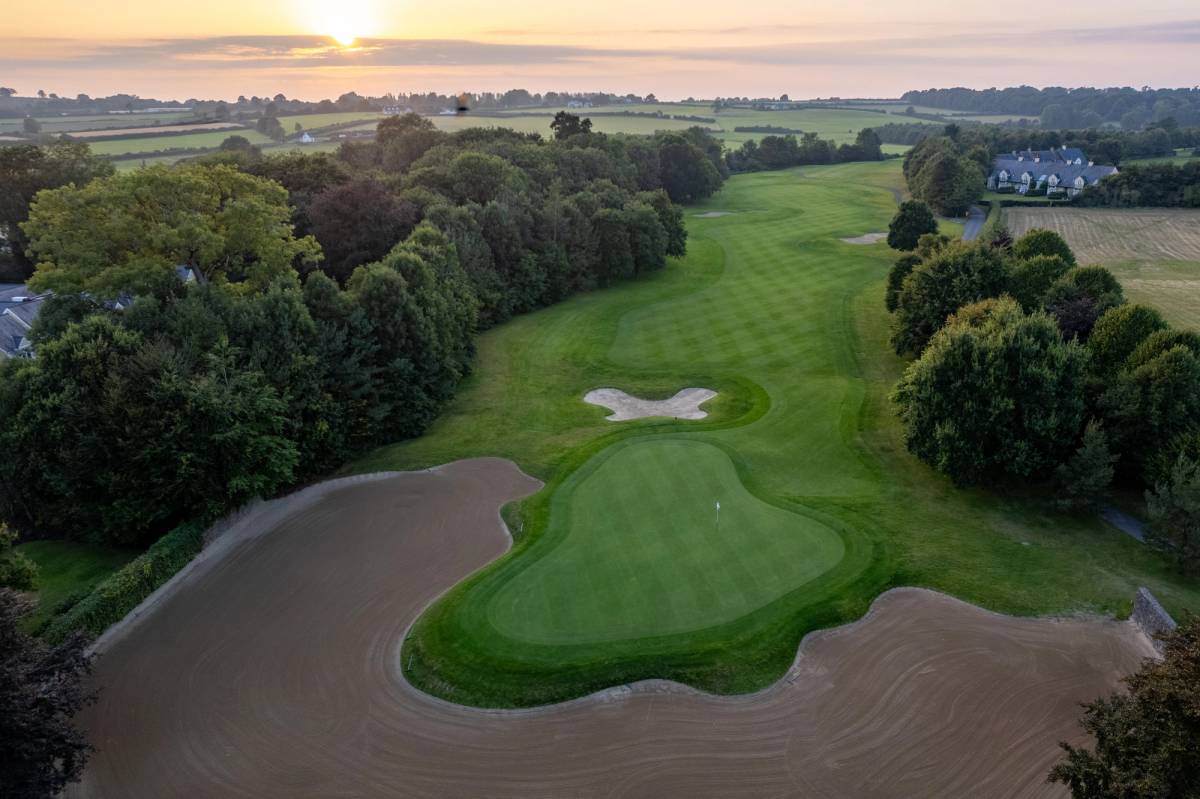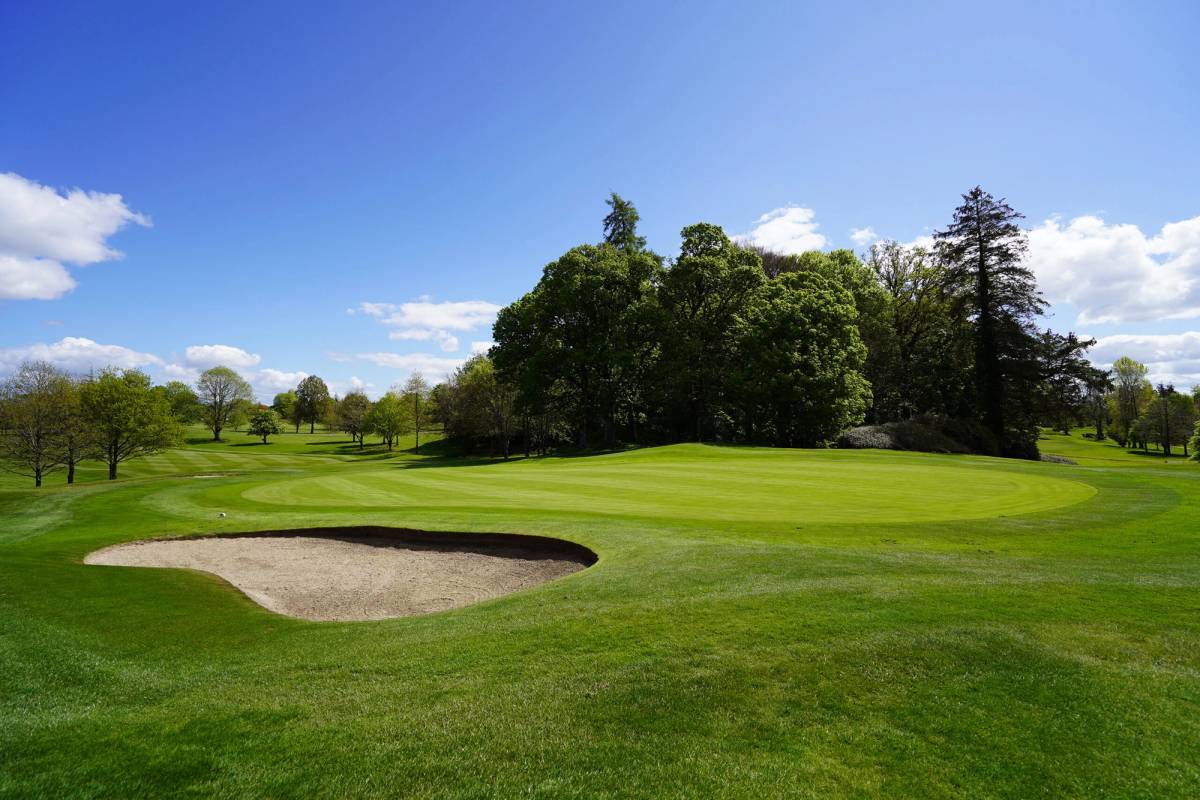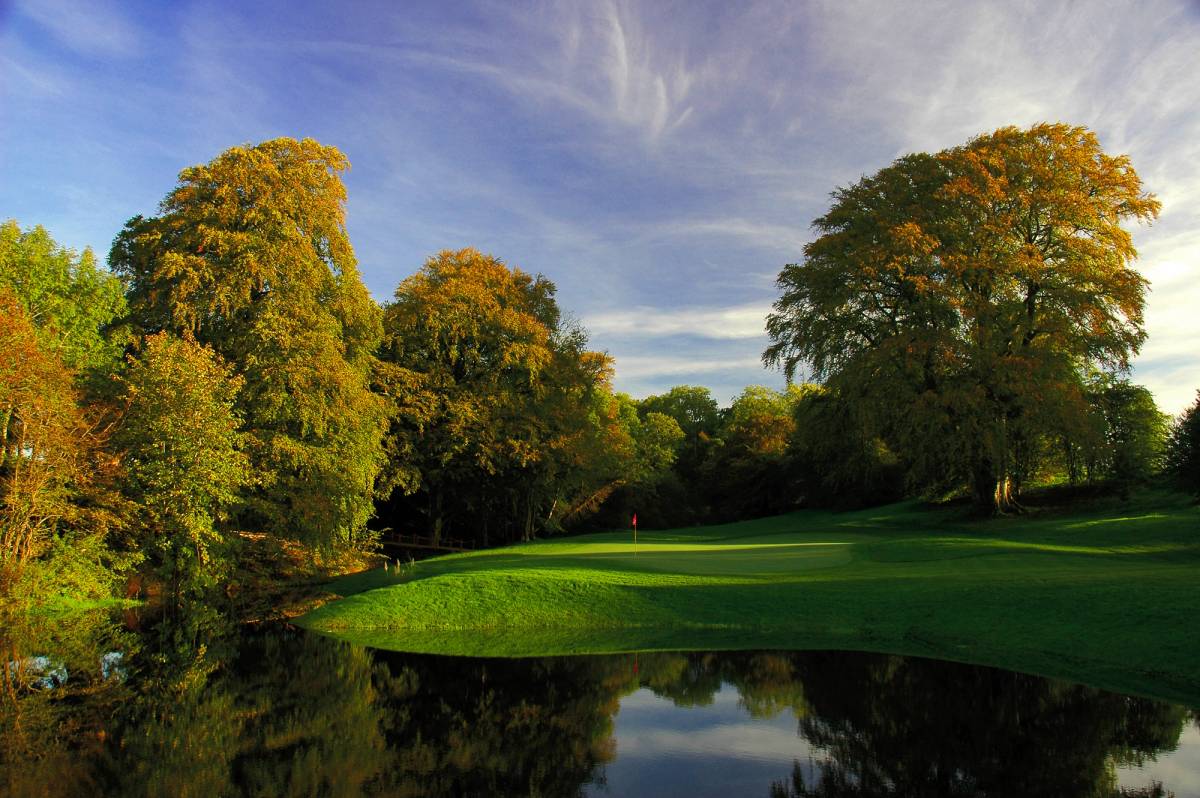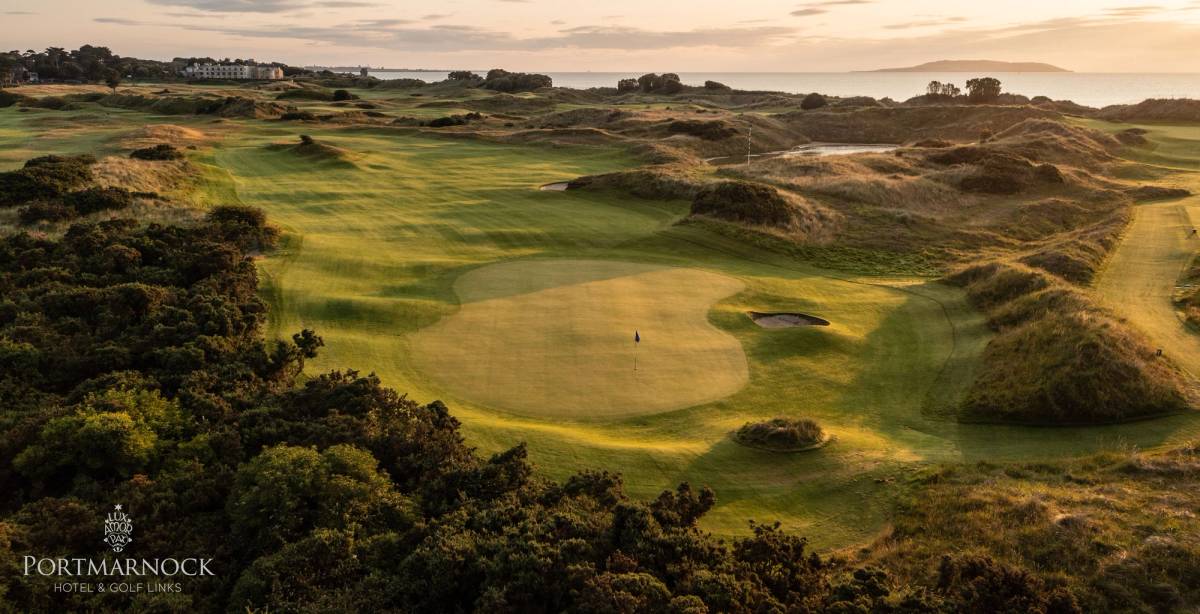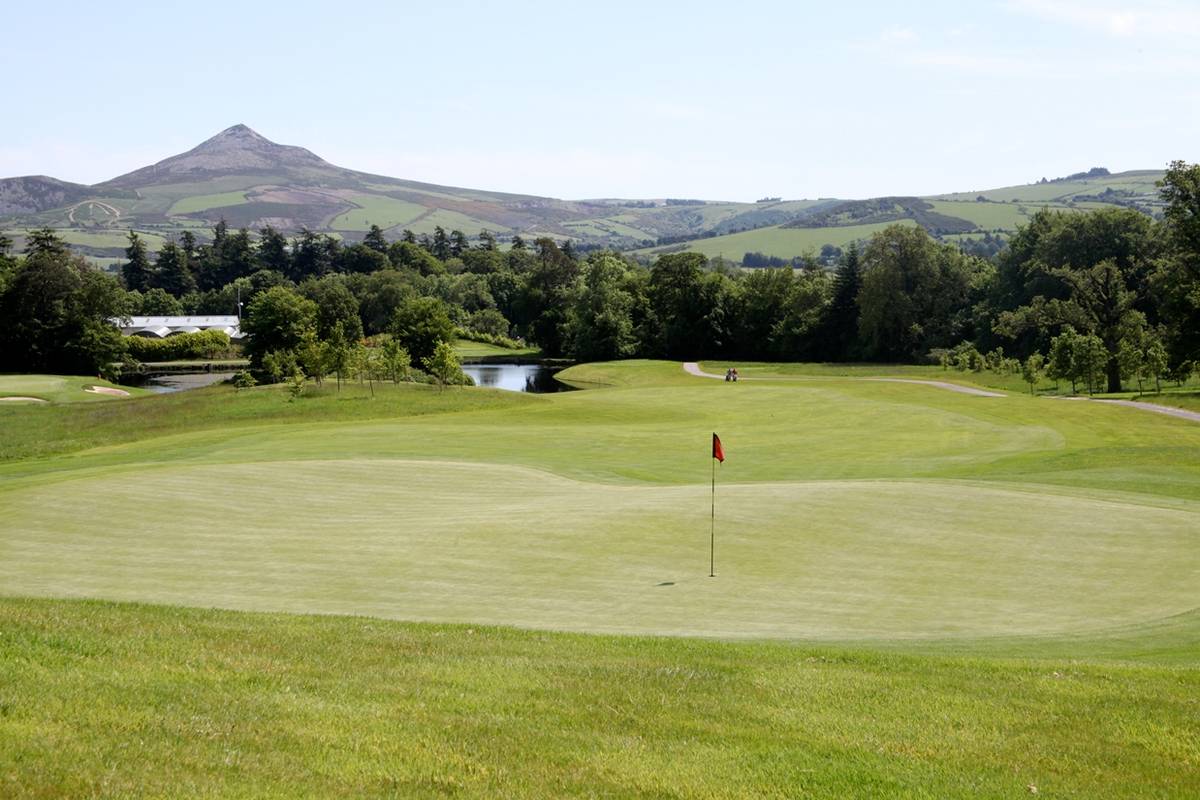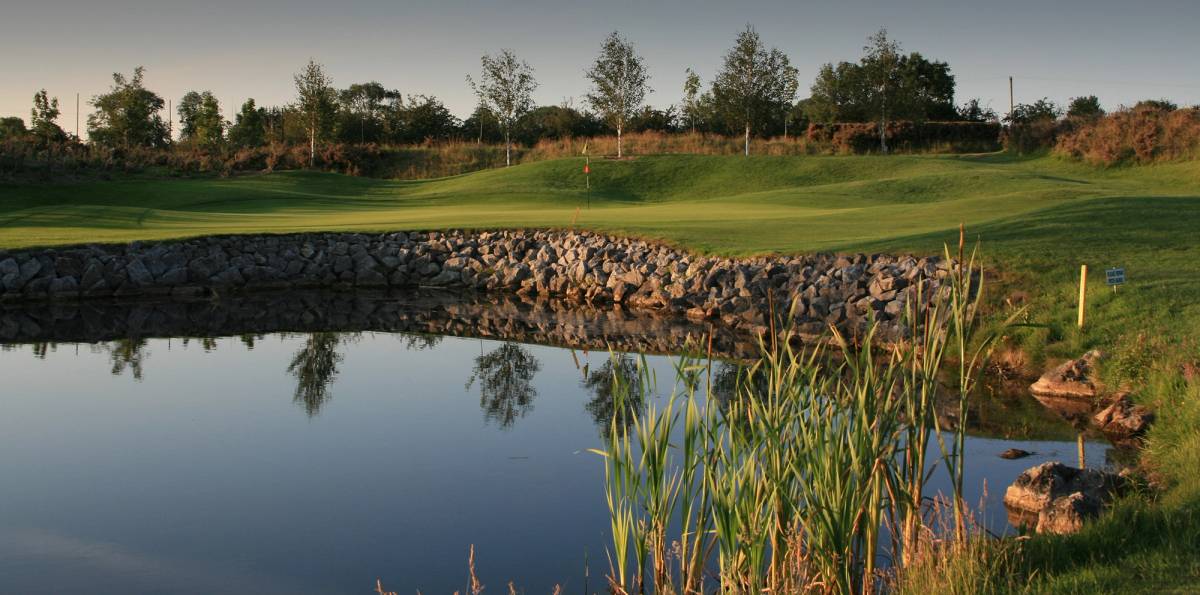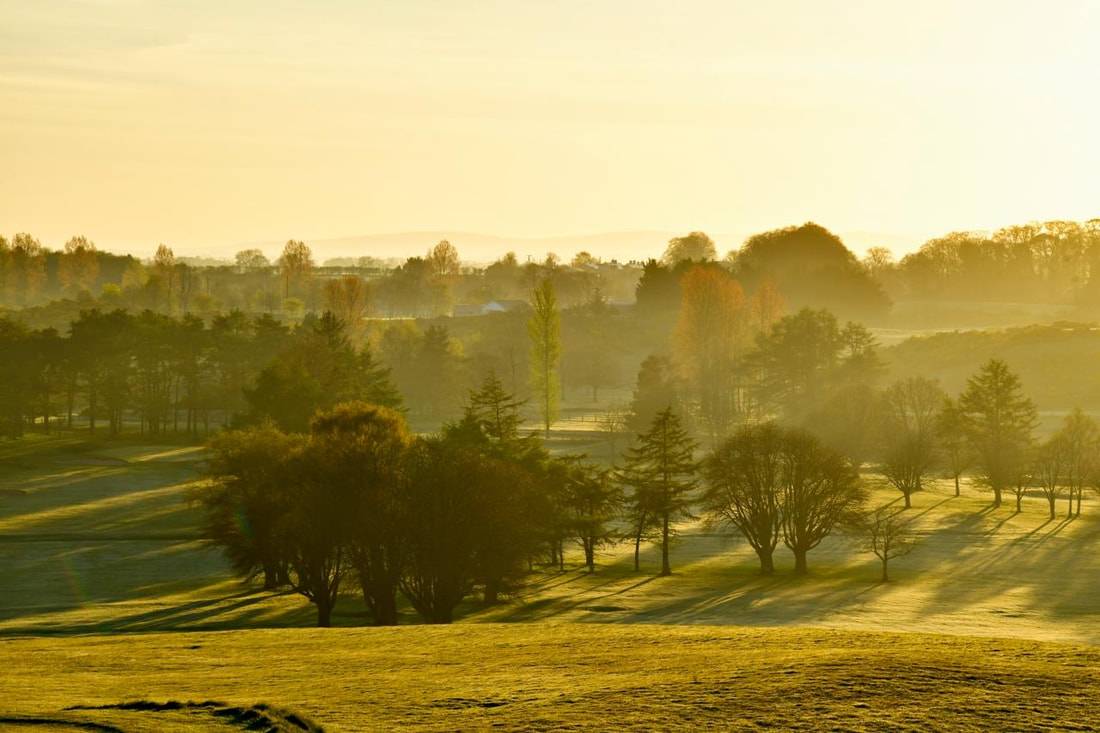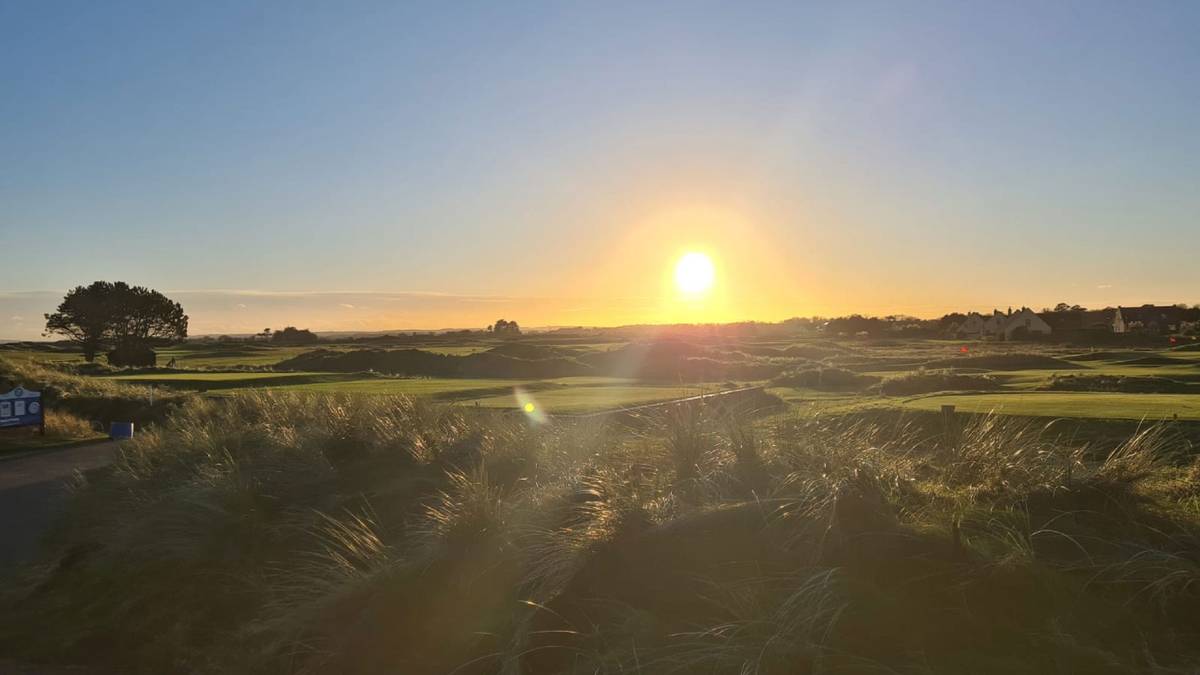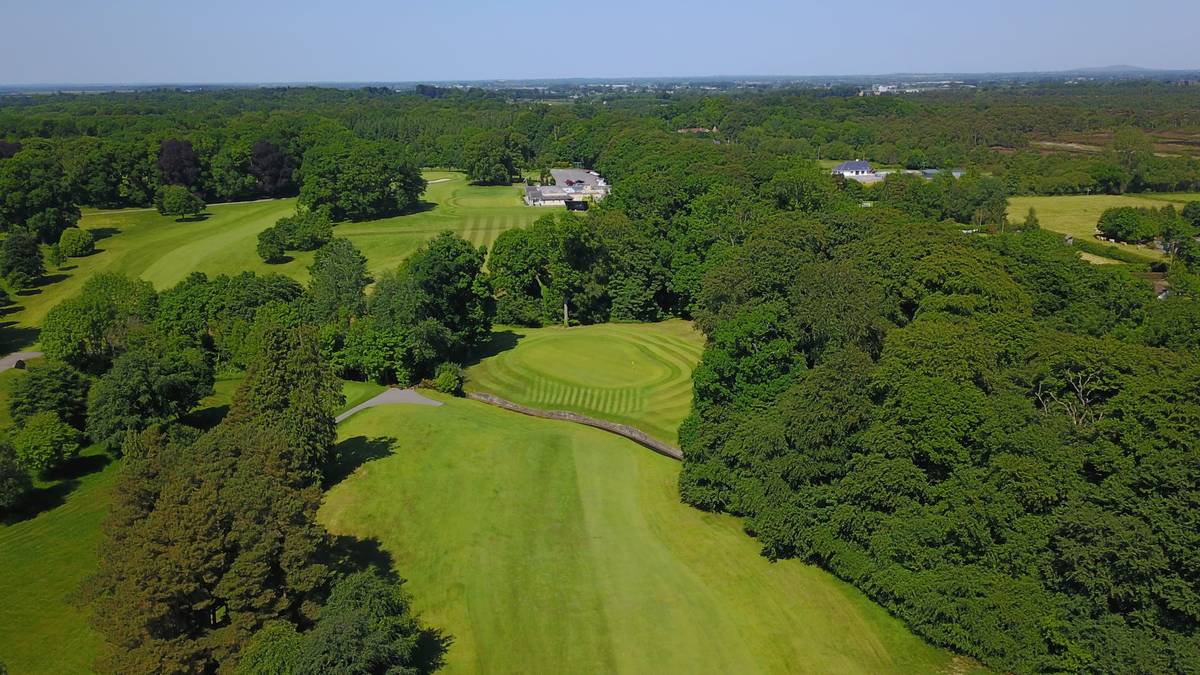
Founded in 1895, Abbeyleix is one of the oldest golf clubs in Ireland and sits on 100 acres of gently rolling parkland in the heart of the midlands. The 18-hole, par-71 layout winds through mature woodland with distant views of the Slieve Bloom Mountains, and numerous water hazards and strategic bunkering demand accuracy off the tee. A welcoming clubhouse and the on-site Roots Bar & Restaurant round out a course popular with both members and visiting societies.
Ireland
Leinster
133 courses in Leinster — the county top 5 followed by the full club directory.
Top 5 in Leinster
More courses128

Ardee Golf Club relocated from its original Baltrasna site to the Ruxton Estate, where an expanded 18-hole parkland course opened in August 1985, followed by a new clubhouse in 1987. Known locally as one of the most playable courses in the North East thanks to its excellent drainage, the club has continued to invest in the layout, with a green-upgrading programme under way since 2017. It remains a popular North Leinster venue just five miles from the M1 motorway.

Established in 1927 to designs by Hawtree Ltd and Open champion J.H. Taylor, Arklow blends genuine links golf on its front nine with a more parkland character on the back, all within sight of the Irish Sea. Eddie Hackett reworked the course in 1990, and later refinements by Eddie Connaughton have left fast, true greens and characterful bunkering that reward good course management. At a modest par 69 it is a shorter test but a consistently well-regarded one among Wicklow coastal courses.
Opened in 1994 and laid out by Declan Branigan with input from Ryder Cup vice-captain Des Smyth, Ashbourne is an 18-hole championship parkland course only minutes from the M50. Sand-based greens keep the course playable year-round, and a substantial 2019 redesign of the front nine sharpened the challenge for golfers of every standard. The clubhouse occupies a restored farmhouse and is consistently praised for its hospitality and dining.
Founded in 1906, Athy is a semi-private 18-hole parkland course of just over 6,400 metres with tricky greens and several memorable short holes. A 2003 redesign by architects Jeff Howes and Paul O'Brien refreshed the layout, and the course is regularly praised for its condition and friendly welcome to visitors. It remains a well-used community club serving south Kildare golfers.
Dating from 1945 and ranked among Ireland's Top 100 courses by some guides, Balbriggan is an 18-hole, par-72 semi-private parkland layout some fifteen minutes north of Dublin city. USGA-standard greens and well-placed water hazards came from a redesign by Eddie Connaughton, and the club now caters to roughly 800 members alongside a healthy visitor trade. Strong, consistent reviews reflect a well-maintained, sporting test just off the M1 corridor.
Founded in 1972 to an original Barry Langan design, Balcarrick sits on the Donabate peninsula close to Dublin Airport and blends links and parkland character across its 18 holes, with water in play on eleven of them. A major 2007 redevelopment by architect Roger Jones earned the course international recognition, including induction into the Golf World Hall of Fame for golf architecture, and it remains a highly regarded north Dublin test at a stiff par 73.
Set within the grounds of the Ballymascanlon House Hotel, this 18-hole parkland course winds through mature woodland with water features throughout. Its signature par-4 7th demands a tight drive over out-of-bounds followed by an approach across water to an elevated green framed by Victorian garden walls and rhododendrons, a legacy of the estate's landscaped past. At a modest par 68 it favours accuracy over length and suits both hotel guests and visiting societies.
Established in 1993 by Ron Breen and family, Ballymoney is an 18-hole, par-71 parkland course close to Gorey and Courtown with pleasant views towards Tara Hill. It has built a reputation as an affordable, welcoming club, winning the inaugural Weatherglaze Trophy in 2013 and defending it for several years after, and remains a solid mid-range test for golfers of varying ability.
Founded in 1928 on the banks of the River Slaney, Baltinglass is an 18-hole parkland course in West Wicklow set against the backdrop of the Wicklow Mountains. Manicured fairways and testing greens have made it a long-standing fixture for local golfers, and the club retains a traditional, community feel over nine decades after its founding.
Originally laid out by Eddie Hackett in 1985 and later renovated by Peter McEvoy and Craig Cooke in 1999, Beaverstown is an 18-hole, par-72 woodland-style course on the Donabate peninsula. Water hazards and testing doglegs give the layout real variety, and the course is open to public play year-round, drawing consistent praise for its condition and challenge.
Laid out by the celebrated Irish architect Eddie Hackett within the historic Johnstown Kennedy Estate, Beech Park takes its name from the centuries-old beech trees lining its fairways. Old estate features, including stone walls and original French drains, have been woven into the design, giving the parkland course a distinctive sense of place just southwest of Dublin.
Designed by Oliver and the late Nicky Ennis, Bellewstown is an 18-hole, par-72 parkland course laid across East Meath's lush grassland, with USGA greens and mature trees framing elevated views towards the Cooley and Mourne mountains and the Boyne Valley. Fáilte Ireland approved and well reviewed by visitors, it offers a scenic, all-standards test not far from the famous Bellewstown Racecourse.

Founded in 1893, Birr Golf Club's course is carved from natural woodland and eskers, giving it undulating, links-like terrain unusual for an inland midlands venue and a strong challenge for golfers of all abilities. A clubhouse with restaurant, bar, pro shop and driving range supports a club with a long-standing reputation for hospitality to visitors and societies.
Founded in 1988, Black Bush is a substantial parkland facility near Dunshaughlin offering 27 holes across three distinctly named nine-hole loops - Black Bush, Thomastown and Lagore - which can be combined into different 18-hole rounds. The mature layout is designed to stay playable in all weather and is supported by well-regarded clubhouse amenities.
Carrying the prestigious Hawtree & Son design signature and dating from 1978, Blainroe is an 18-hole, par-72 parkland course with sea views from every hole along the Wicklow coast. A significant 2005 redesign rebuilt all greens and tees to USGA championship standard, and the modern clubhouse overlooks a private beach, making it one of the finest courses on Ireland's east coast.
Bodenstown offers two full-length 18-hole parkland courses, the Old Course and the Lady Hill Course, both featuring mature tree planting and raised, undulating greens that test golfers of every level. The club is a well-established fixture in County Kildare, close to Sallins and Naas, and is valued for offering 36 holes of quality parkland golf at a single site.
Laid out in the parkland of Borris House beneath Mount Leinster, Borris is a charming, well-conditioned course with alternate tees for a full 18-hole round.
Bray Golf Club occupies a parkland site between Bray and Greystones on the Wicklow coast, offering a traditional members' course with a long club history dating back over a century. The club maintains a full range of visitor and society facilities, including a pro shop, bar and dining, in a convenient location just south of Dublin.

Laid out across 300 acres of the former Hall-Dare Estate on the Carlow/Wexford border, Bunclody is a substantial championship course running to over 7,000 yards along the banks of the River Slaney, with dramatic finishing holes descending toward the water. A distinctive thatched-roof clubhouse and full modern amenities, including fishing rights on the Slaney, complete a course that has quickly established itself as a leading test in the southeast.

Established in 1929, Callan Golf Club lies a mile outside the market town on the Knocktopher road, twelve miles from Kilkenny city. The parkland course provides a friendly, unpretentious test for members and visitors alike, with an active fixture list supported by local businesses throughout the season. Distance membership options for those living further afield reflect its role as a genuine community club rather than a resort destination.

Founded in 1899 as the Leinster Golf Club, Carlow Golf Club has grown into one of Ireland's most respected inland layouts and is regularly ranked among the country's top 100 courses. Its naturally free-draining Deerpark course offers a stern championship test amid the wooded countryside of the southeast, playable in fine condition year-round, while the shorter Oakpark course provides a more relaxed complement for members and casual visitors. Together the club's 27 holes give it a long and varied competitive tradition dating back to its first meeting in 1899.

Carton House occupies the former ancestral estate of the Dukes of Leinster, its two championship courses spread across 1,100 acres of parkland threaded by the River Rye. The O'Meara Course, designed by Mark O'Meara, is a classic parkland test weaving among ancient specimen trees, with a memorable stretch from the 14th to 16th crossing the river twice around a heroic par five. The Montgomerie Course, shaped by Colin Montgomerie in an inland-links style, offers a tougher, more rugged challenge, and both layouts have hosted major professional and amateur events including the Irish Open and the Eisenhower Trophy.

Carton House occupies the former ancestral estate of the Dukes of Leinster, its two championship courses spread across 1,100 acres of parkland threaded by the River Rye. The O'Meara Course, designed by Mark O'Meara, is a classic parkland test weaving among ancient specimen trees, with a memorable stretch from the 14th to 16th crossing the river twice around a heroic par five. The Montgomerie Course, shaped by Colin Montgomerie in an inland-links style, offers a tougher, more rugged challenge, and both layouts have hosted major professional and amateur events including the Irish Open and the Eisenhower Trophy.
Founded in 1913, Castle Golf Club is one of the oldest and finest parkland courses in the greater Dublin area, laid out on the grounds of historic Rathfarnham Castle by the celebrated architect Harry Colt. Just ten kilometres from the city centre, it offers immaculate presentation, mature tree-lined fairways and views towards the Dublin mountains. Often described as one of Dublin's best-kept secrets, the course presents a fair but genuine challenge for golfers of every standard.

Opened in 2003 to a design by the renowned architect Pat Ruddy, Castlecomer Golf Club is set within a 200-year-old forest just fifteen minutes from Kilkenny city. The wooded parkland setting gives the course a secluded, distinctive character, with tree-lined holes offering a challenging yet fair test alongside fine countryside views. An on-site restaurant and a welcoming approach to visitors and societies make it a popular stop for golfers touring the southeast.
Opened in 2005 to a design by Jonathan Gaunt, Castleknock Golf Club is a modern parkland course in the leafy Dublin 15 suburbs, stretching to over 6,700 yards at par 72. Its signature holes are the 9th and 18th, matching par-3s played over water to a shared double green in front of the clubhouse, which looks back across the course towards the Dublin skyline. The club operates year-round without mats or temporary greens and is well regarded for its consistently high standard of presentation.
Opened in 1990 to a design by Tom Craddock and Tommy Halpin, Castlewarden is a member-owned parkland course near Straffan offering a fair but searching test over gently rolling terrain. It sits within easy reach of some of Kildare's grander golf resorts, including the K Club, yet retains a relaxed, welcoming club atmosphere with seven-day playing rights for members. Facilities include a driving range, practice areas and a bar and restaurant open to members and visiting societies.
Celbridge Elm Hall is a modest parkland course on the outskirts of Celbridge, Co. Kildare, offering an accessible round for members and casual visitors in a quiet rural setting near the River Liffey. It is a family-oriented club rather than a championship venue, valued locally for its relaxed pace and affordable golf. Detailed history and design credits for the course are not widely published online.
One of Dublin's oldest golf clubs, Clontarf Golf and Bowling Club combines an established parkland course with a large membership spanning men's, ladies', junior and bowling sections. The club has a long-standing presence in the northside golf scene and offers a full range of visitor and society bookings alongside its clubhouse restaurant and bar. Its enduring popularity reflects a strong community identity built up over more than a century.
Coollattin Golf Club occupies part of the historic Coollattin demesne in south Wicklow, a parkland setting distinguished by mature specimen trees, rhododendrons and azaleas planted across the old estate. The course is designed to offer a fun, fair challenge for golfers of every level rather than a severe championship test, and the club runs an active junior programme alongside regular instructional sessions. Its estate setting gives it a particularly attractive, tranquil character among Wicklow's golf courses.
Corballis is a genuine links course on the Donabate peninsula, sharing the same dune-lined stretch of coast as its more exclusive neighbour, The Island Golf Club. Praised by the legendary amateur Joe Carr as "a little gem" and by professional Philip Walton for having some of the most consistent greens in Ireland, it has long served as a practice ground for touring professionals preparing for the Irish Open. As an affordable public pay-and-play facility, it offers an authentic links experience without the exclusivity of many of its coastal neighbours.
Corrstown Golf Club, close to Dublin Airport, offers an unusually generous 27 holes of parkland golf across its combinable nines. The club has built a reputation for welcoming visitors and societies from Ireland and overseas, backed by a clubhouse with bar and restaurant facilities. An active beginners' programme and flexible membership options help maintain a broad, family-friendly membership base.

Founded in 1894, County Longford Golf Club is one of the longer-established clubs in Ireland's midlands, now set on an 18-hole parkland course recognised as a "hidden gem" in national course guides. The layout combines mature fairways with water features and open midlands scenery, offering a genuine test without being overly punishing. A well-equipped clubhouse and active society programme make it a popular stop for visitors touring the Hidden Heartlands region.
Founded in 1968 and laid out by Eddie Hackett and Tom Craddock, County Meath Golf Club sits a mile from Trim Castle amid some of the most mature parkland in the Royal County. The 18-hole course stretches to over 6,000 metres at a par of 73, offering a substantial test backed by full practice facilities including a floodlit driving range. Its proximity to Trim's medieval heritage sites makes it a popular stop for golfers combining a round with sightseeing in the Boyne Valley.

Founded in 1936 and extended to 18 holes in 1974, Courtown Golf Club occupies part of the historic Courtown estate on the north Wexford coast, five kilometres from Gorey. The mature parkland layout runs to roughly 6,000 metres at par 71, with tight, tree-lined fairways that reward accuracy over length, and several holes offer panoramic views of the Irish Sea. It is a well-regarded stop for golfers travelling the southeast coast, combining a fair test with a relaxed, traditional club atmosphere.
Opened in 1994 to a design by Roger Jones, Craddockstown Golf Club spreads across 144 acres of parkland on the edge of Naas, its fairways threaded by meandering streams and guarded by strategic bunkering. A modern clubhouse built in 1999 gives panoramic views back over the course, and the layout offers a genuine par-72 test popular with members, visitors and societies alike. Its convenient location close to Naas and the M7 makes it a popular choice for golfers based in south Dublin and Kildare.
Set within the historic grounds of Howth Castle overlooking Howth Harbour and the Irish Sea, Deer Park was laid out by noted English architect Fred Hawtree and has long been one of the largest golf complexes in Dublin. The resort offers a mix of course lengths - an 18-hole championship-style layout plus shorter loops - giving it a reputation as a practical, multi-format golfing venue rather than a single exclusive course. Its elevated position gives sweeping views over the Baily Lighthouse, Ireland's Eye and Dublin Bay, and the site also hosts footgolf and a Poc Fada course alongside the golf.
Founded in 1908 with a layout attributed to the six-time Open champion Harry Vardon, Delgany is an established woodland course set in rolling County Wicklow countryside within half an hour of Dublin. The course rewards accurate placement through mature trees and offers hill and sea views stretching from Bray Head and the Great Sugar Loaf to Wicklow Head. The club has a strong playing pedigree, having produced numerous professional golfers from local families over the past century.
Delvin Castle plays through the mature parkland demesne of Clonyn Castle in north Westmeath, an 18-hole layout notable for its stately, tree-lined setting and long sightlines across the surrounding countryside. It is a relaxed, spacious course popular with visiting societies, and the purpose-built clubhouse serves food throughout the day. The estate setting, with the castle itself visible from parts of the course, gives it a distinctive character among the county's inland courses.
A member-owned club dating to 1925 and marking its centenary in 2025, Donabate offers a mature 27-hole parkland complex on the north Dublin coast, only minutes from Dublin Airport. USGA-standard sand-based greens keep the course playable in all conditions, and the club includes the Mary McKenna local course among its holdings, named for the decorated Irish amateur champion. With three loops of nine holes in total, golfers can combine different nines for a varied round each visit.

Druids Glen Resort is home to two distinct 18-hole courses designed by Pat Ruddy and Tom Craddock. The Druids Glen course, often dubbed the 'Augusta of Europe' for its lush, manicured parkland and dramatic water features, hosted the Irish Open four times and the Seve Trophy. Its sister course, Druids Heath, is a more rugged heathland design cut through old quarries with pot bunkers, lakes and views to the Sugar Loaf, and has hosted the Irish PGA Championship.
Dublin City Golf Club occupies an elevated moorland/parkland site in the Dublin mountains at Ballinascorney, offering an 18-hole course with panoramic views over the city and bay. It is a pay-and-play style facility popular with visiting golfers and societies looking for an accessible round close to the capital. Detailed course history and designer credit were not confirmed in available sources.
Despite its name, Dun Laoghaire Golf Club's course lies in the foothills near Enniskerry rather than the coastal town itself, an 18-hole parkland layout that has picked up a string of accolades including Best Golf Course in Ireland (2013 and 2015) and Leinster Parkland of the Year on multiple occasions. Mature planting and rolling terrain give the course a peaceful, scenic character close to the Wicklow border. The clubhouse itself has also been recognised as one of Leinster's best.

Founded in 1905, Dundalk Golf Club sits on elevated parkland above the seaside village of Blackrock, its 18 holes (par 72, 6,826 yards from the tips) offering panoramic views across Dundalk Bay to the Cooley and Mourne mountains. The club served as the home of the PGA in Ireland from 1987 to 2022 and maintains a full practice academy alongside the course. It regularly hosts national and international amateur and professional events.
Edenderry Golf Club offers an 18-hole parkland course on the edge of the town, a relatively modern layout that has developed into a solid midlands test with mature tree-lined fairways. It is a friendly, community-oriented club typical of the region, popular with local societies and visiting groups. Detailed design credits were not confirmed in available sources.
Founded in 1944, Edmondstown is a long-established 18-hole parkland club set in the foothills of the Dublin mountains at Rathfarnham. It positions itself as a welcoming, inclusive club open to visitors and societies year-round, with a traditional clubhouse, bar and pro shop. Its foothill location gives several holes attractive views back over the city.
Golf has been played at Elm Park since 1925, when an original nine holes was soon expanded to the 18-hole parkland course found today on this leafy south Dublin site. Unusually, the club combines golf with an extensive tennis section of fourteen courts, making it one of Dublin's few dual-sport private clubs. The mature grounds and substantial clubhouse make it a popular venue for both golfing and social membership close to the city centre.
Opened to the public in 1995 and designed by acclaimed Irish architect Eddie Hackett, Elmgreen is an 18-hole, par-70 parkland course of 5,807 yards set across 110 acres a short drive from Dublin city centre. Tree-lined fairways, tidy bunkering and views of the Dublin Mountains give it an attractive, approachable character, and it hosted the golf events of the 2003 Special Olympics. The centre also runs a floodlit driving range, a pitch and putt course and on-site PGA tuition, making it a well-rounded pay-and-play facility.

Enniscorthy Golf Club's 18-hole parkland course occupies high ground at Knockmarshall overlooking the town and the River Slaney, giving several holes attractive elevated views. The club markets itself on friendliness and value rather than exclusivity, with resident PGA professional Stephen Fitzpatrick on staff. It remains a popular stop for visiting golfers touring County Wexford.

Designed by Ryder Cup player Christy O'Connor Jnr through the natural sand hills and valleys of an esker ridge, Esker Hills near Tullamore is often described as Ireland's only true 'inland links' - a championship course whose sand-based construction keeps it playable year-round with no two holes alike. It is the home club of 2019 Open Champion Shane Lowry, who began his competitive career here and became the first amateur to win the Irish Open, in 2009. The varied, undulating terrain makes it one of the Midlands' most distinctive tests.
Designed and owned by golf writer and architect Pat Ruddy, the European Club at Brittas Bay is one of the most acclaimed modern links courses in the world, laid across towering dunes along the Wicklow coast. Unusually the course has 20 holes rather than 18, incorporating two additional par-3 holes into the routing, a Ruddy trademark that adds variety without altering the traditional scorecard. It regularly features in global top-100 rankings and is renowned for its wild, natural dune landscape and exacting, exposed test of links golf.
Forrest Little is an 18-hole parkland course conveniently sited between Swords and Dublin Airport, close to the M1 and M50 motorways, making it a favourite with visiting golf societies and corporate outings. Tree-lined fairways, well-placed bunkering and water hazards give the course a classic parkland test. Its accessibility and welcoming approach to visitors have long made it one of north Dublin's more popular pay-to-play style clubs.

Glasson Golf Hotel & Country Club occupies a dramatic peninsula on the shores of Lough Ree, its 18-hole championship parkland layout designed by Christy O'Connor Jnr and opened in 1993. Several holes run right along the lakeshore, giving wide water views and a genuine risk-reward test, and the course has hosted various Irish professional and amateur events. It is one of the Midlands' best-regarded modern parkland designs, combined with an on-site hotel and academy.

Gowran Park Golf Club operates on the grounds of the well-known Gowran Park Racecourse in south Kilkenny, giving golfers a parkland round set within the racecourse's rolling estate. It is a secondary attraction alongside the venue's National Hunt and Flat racing fixtures, with the on-site Fairways Restaurant serving golfers and racegoers alike. Detailed course information (architect, exact hole count and yardage) was not confirmed beyond the racecourse's own confirmation that golf remains an active amenity.
Grange Castle Golf Club is a pay-and-play parkland course on the western edge of Dublin near Clondalkin and the Grange Castle Business Park, offering an accessible 18-hole round without the commitment of membership. It is popular with casual golfers and societies from the surrounding suburbs. Independent verification of current operating details could not be completed in this research pass, so this entry is based on general knowledge rather than a freshly confirmed source.
Grange Golf Club sits in the foothills of the Dublin mountains at Rathfarnham, its mature woodland layout - originally shaped by James Braid - bordering Marlay Park and St Enda's Park and giving a genuine sense of remove from the nearby city. Uniquely, the club maintains 24 holes in total, allowing three different 18-hole combinations to be played and keeping the course fresh through the seasons; it was named Dublin's best parkland course by Golf Digest in 2008. Ryder Cup captain Paul McGinley is among its notable members.

Founded in 1896, Greenore Golf Club occupies a striking position on the Cooley Peninsula overlooking Carlingford Lough, with the Mourne Mountains and Slieve Foy filling the horizon. The course blends traditional links turf near the shore with heathland-style holes further inland, its firm, undulating greens and strategic bunkering rewarding accurate ball-striking. It plays year-round thanks to its sandy, free-draining soil, and remains one of the more understated links tests in the northeast of Ireland.
Greystones Golf Club is set on high ground above the seaside town of Greystones in north Wicklow, its parkland-meets-clifftop layout giving views over the Irish Sea from several holes. The club moved to its current elevated site in the 1990s and built a modern clubhouse to match, and it remains a well-regarded members' club with an active visitor and society programme. Independent live confirmation of current contact details was not obtained in this research pass.

Headfort is a 36-hole complex on over 400 acres outside Kells, comprising the historic Old Course, laid out in 1928 on parkland once part of the Headfort Estate, and the New Course, a 1996 Christy O'Connor Jnr design that O'Connor himself rated as among the finest sites he ever worked with. Together the two layouts have been called by golf writer Dermot Gilleece 'two of the finest golf courses in Ireland', combining mature parkland scenery with genuinely testing modern architecture.

Headfort is a 36-hole complex on over 400 acres outside Kells, comprising the historic Old Course, laid out in 1928 on parkland once part of the Headfort Estate, and the New Course, a 1996 Christy O'Connor Jnr design that O'Connor himself rated as among the finest sites he ever worked with. Together the two layouts have been called by golf writer Dermot Gilleece 'two of the finest golf courses in Ireland', combining mature parkland scenery with genuinely testing modern architecture.

The Heritage is a full resort development in Killenard combining a Seve Ballesteros-designed championship course, opened in 2004, with a hotel, spa and multiple dining venues. The course was built with tournament golf in mind, featuring generous fairways, strategic water and large contoured greens, and has hosted professional events including rounds of the Irish PGA Championship. It remains one of Laois's premier golf-and-leisure destinations.
Hermitage Golf Club is a long-established parkland course set along the banks of the River Liffey at Lucan on Dublin's western fringe, founded in the early 1900s. It describes itself as a warm, family-oriented members' club, with mature tree-lined fairways shaped by the river valley and an active calendar of men's, ladies' and junior competitions. The club welcomes visitors and societies alongside its core membership.
Hollywood Lakes is an 18-hole championship parkland course near Ballyboughal in north County Dublin, designed by Mel Flanagan and stretching to around 6,700 metres with eleven lakes in play across the routing. Mature woodland and water hazards give the course a demanding, strategic character, and it has been described as one of Leinster's hidden gems. The club offers full practice facilities and a strong visitor and society programme alongside its membership.
Founded in 1916, Howth Golf Club occupies heathland ground on the Howth peninsula, its layout shaped by five-time Open champion James Braid and making full use of dramatic elevation changes and dog-leg holes cut into the hillside. Several holes deliver sweeping panoramas across Dublin Bay, giving the course a scenic quality to match its strategic demands. It remains one of the capital's most characterful heathland tests, only around 25 minutes from the city centre.
Kilcock Golf Club offers an 18-hole championship parkland course designed by the celebrated Irish architect Eddie Hackett, set in quiet countryside on the Meath-Kildare border. Hackett's routing makes good use of mature trees and gentle contours to test golfers of all abilities, and the club has built a modern clubhouse with the Sole Bar and Restaurant serving members, visitors and societies year-round.
Set beneath the walls of a 12th-century castle said to be the oldest continuously inhabited castle in Ireland, this 18-hole parkland championship course was laid out by Jack McDaid and Jim Cassidy and stretches to around 6,700 yards. The River Griese threads through the grounds as a natural hazard on nearly every hole, and two lakes add further bite, while the par-three 16th is widely rated as one of the finest short holes in Irish golf. It remains a popular resort course for visitors staying at the castle hotel as well as day green-fee players.

One of the older established clubs in the south-east, Kilkenny Golf Club dates back to the 1890s and plays over an 18-hole parkland course on the Glendine Road just outside Kilkenny city. The layout is set on gently rolling ground with mature tree-lined fairways and well-bunkered greens, offering a fair but testing round for members and visitors alike. The clubhouse and course have been developed steadily over the decades to give a traditional parkland test close to the historic medieval city.

Killeen Castle is a Jack Nicklaus Signature-designed championship parkland course laid out across a 600-acre estate in County Meath, roughly 30 minutes from Dublin. The course gained international prominence when it hosted the 2011 Solheim Cup and subsequent Ladies Irish Opens, and it is regarded as one of the most polished modern designs in Ireland with sweeping views across the Meath countryside toward the ruins of the historic Killeen Castle itself. Facilities include a TopTracer-equipped driving range and full practice grounds.
Killeen Golf Club is a modest, welcoming course in the Naas/Kill area of County Kildare, known locally as a relaxed parkland layout that suits both beginners and social golfers. It offers an accessible, good-value round without the pretension of the county's bigger resort courses, and has traditionally been popular with local societies. Detailed course information is limited, and prospective visitors are best served contacting the club directly to confirm current opening status and tee times.
Killerig Golf Club, part of the Killerig Castle resort near Tullow, offers an 18-hole parkland championship course set in the rolling countryside of County Carlow, close to the Wicklow border. The course is a popular resort golf destination combined with hotel and leisure facilities, favoured for society outings and visiting golfers touring the south-east. Course details such as designer credit and full yardage are not independently confirmed in this pass.
Knightsbrook is a four-star hotel and golf resort set on 186 acres in the Boyne Valley just outside Trim, built around a championship parkland course that forms the centrepiece of the estate. The course is complemented by an extensive spa and leisure club, making Knightsbrook a popular stay-and-play destination, and the resort was named Golf Resort of the Year for Leinster in recent industry awards. Its convenient location around 35 minutes from Dublin has made it a regular choice for society outings and short golf breaks.

Laytown & Bettystown is a traditional Irish Sea links course founded in 1909 on the Meath coast north of Dublin, laid out over classic duneland with firm, fast-running fairways typical of the region's east-coast links. The club has long been a respected test for links golf outside the more famous championship venues, prized by members and visiting golfers for its natural character and coastal setting near the mouth of the River Nanny. It continues to operate as an 18-hole links course today.
Leopardstown Golf Course is a popular public pay-and-play facility located within the grounds of Leopardstown Racecourse in south Dublin, offering an accessible 18-hole course alongside additional short-game and par-3 practice facilities. It has long served as an entry point for newer golfers and a convenient, no-membership-required option for city-based players wanting a quick round. The course's flat, open racecourse-adjacent setting makes it a straightforward, walkable layout rather than a championship test.
Lucan Golf Club is a long-established 18-hole parkland course founded in the 1890s on the western fringe of Dublin, laid out along the Celbridge Road with mature tree cover and gently rolling terrain typical of the Liffey valley. It has served generations of local members as a traditional suburban parkland club, offering a fair test of accuracy over a comfortably walkable layout. The club retains an active membership and hosts regular club competitions and societies.

Luttrellstown Castle Golf Club occupies part of the historic Luttrellstown Castle demesne in west Dublin, an 18-hole parkland course set among centuries-old parkland, mature woodland and a picturesque lake within sight of the castle itself. The estate's long aristocratic history and landscaped grounds give the course a distinctive, stately character quite different from typical suburban Dublin parkland layouts. It has operated both as a members' club and as a venue for corporate and society golf days.
Designed by Ryder Cup winner Paul McGinley, Macreddin is an 18-hole, par-72 championship course carved into the folds of the Wicklow mountains as part of the BrookLodge estate. McGinley's design philosophy was to reveal a course from the natural topography rather than impose one on it, resulting in dramatic holes such as the plunging par-three "Kite's Nest," played from an elevated tee with a 40-metre drop. The course combines mountain scenery with genuine shot-making variety and is paired with the resort's hotel, spa and dining facilities.
Malahide Golf Club is a substantial 27-hole championship-standard parkland complex on 180 acres of mature woodland on Dublin's north coast, built to USGA standards and combining three separate 9-hole loops that can be paired to form full 18-hole rounds. Founded in 1892, the club is one of the larger golfing facilities in the Dublin area and has hosted notable events including the inaugural Ladies European Tour Access Series Women's Irish Challenge in 2025. Its convenient location near Malahide and Portmarnock, about 15 minutes from Dublin Airport, makes it a popular club for both members and visiting societies.
Millicent Golf Club is an 18-hole course built to USGA specification on 150 acres beside the River Liffey in County Kildare, roughly 30 minutes from Dublin, with views toward the Dublin and Wicklow mountains. The undulating layout features mature tree cover, strategically placed water hazards and well-maintained greens, and the club has grown to over 1,000 members across its men's, women's and junior sections. It also partners with the nearby Westgrove Hotel for stay-and-play packages, making it a popular choice for visiting groups.
Milltown Golf Club is a well-maintained parkland course in south Dublin that has welcomed golfers for well over a century, with Captain F. E. Davies striking the club's inaugural shot on 28 September 1907. The course sits within easy reach of the city centre and has a refurbished clubhouse with dining facilities, and holds GEO sustainability certification reflecting its environmental management. It remains an active members' club that also caters to visiting golfers.
Moate Golf Club is an 18-hole parkland course founded in 1900 in the heart of Ireland's midlands, laid out on gently rolling ground beside the town's main street next to a former railway line and greenway. The course incorporates historical features including a medieval bull ring, a restored lime kiln, and Jacobite-era "Soldiers' Bunkers," giving it an unusually rich sense of local history for a midlands club. Conveniently placed near the M6 motorway less than an hour from both Dublin and Galway, it hosts a well-attended Thursday open competition through the summer season.

One of Ireland's most celebrated parkland layouts, Mount Juliet was designed by Jack Nicklaus and unfurls along the banks of the River Nore amid ancient specimen trees and rolling pasture. The course hosted the Irish Open in the 1990s and the WGC-American Express Championship in 2002 and 2004, drawing praise from Tiger Woods for its immaculate greens, and its risk-reward finishing holes remain a stern test for visiting golfers. It anchors the wider Mount Juliet Estate, combining championship golf with a five-star hotel.

A family-run 18-hole parkland course set in the quiet farmland of south Westmeath, Mount Temple offers relaxed, good-value golf without the formality of a members' club. The layout winds over gently undulating ground with mature hedgerows and small lakes coming into play on several holes, and it is popular with visiting societies for its friendly, unhurried pace. It is best known locally as an accessible, well-maintained pay-and-play option in the midlands.

Designed by the late Christy O'Connor Jnr, Mount Wolseley is an 18-hole championship parkland course stretching to over 7,100 yards from the tips, with water hazards threatening play on eleven of its holes. Set within a mature wooded estate near Tullow, the course offers sweeping views toward the Wicklow Mountains and has been voted Leinster's Golf Resort of the Year, forming the centrepiece of the Mount Wolseley Hotel, Spa & Golf Resort. Its finishing stretch, framed by water and woodland, is regarded as one of the more demanding closes in the county.
Moyvalley's championship parkland course was laid out by Christy O'Connor Jnr across a 550-acre estate on the Kildare-Meath border, weaving through mature woodland, wetlands and open meadow beside the Dutch-Georgian Balyna House. Opened in the 2000s, the course is noted for its natural, unforced routing and for showcasing the estate's varied terrain and wildlife. It forms part of a wider hotel and country club resort offering stay-and-play packages.

Founded in 1894 as the Westmeath Golf Club before relocating to the Belvedere Estate in 1937, Mullingar Golf Club boasts an 18-hole championship course designed by the legendary James Braid. Its parkland setting on the shores of Lough Ennell, combined with Braid's classic routing, has made it one of the midlands' finest tests of golf. The club's Scratch Cup, established in 1963, has been won over the years by future stars including Pádraig Harrington, Rory McIlroy and Shane Lowry.
Established in 1896, Naas Golf Club is an 18-hole parkland course set on gently rolling ground close to the county town, with mature trees and well-bunkered greens giving the layout its character. It is one of the older clubs in Kildare and has produced a steady stream of accomplished amateur golfers over the decades. The course is generally considered a fair but not overly punishing test, favoured by members for its friendly clubhouse atmosphere.
Navan Golf Club moved to its present Proudstown Road site in the 1990s, where an 18-hole parkland course was laid out over undulating farmland on the edge of town. Mature tree planting has matured well since then, giving definition to fairways that reward straight, controlled hitting. The club is a popular midlands venue for society outings and hosts a full calendar of open competitions.

New Forest Golf Club lies just outside the heritage village of Tyrrellspass and offers an 18-hole parkland course set among mature woodland and small lakes. Opened in the 1990s, the course was developed as an accessible, moderately priced alternative to the county's more established clubs, and it remains popular with visiting societies. Its wooded fairways and strategically placed water hazards give it a pleasant, low-key character typical of midlands parkland golf.
New Ross Golf Club traces its roots to 1905, when it began as a nine-hole course before settling permanently at Tinneranny following a 1983 land purchase. The front nine was redesigned by Des Smyth and opened in 1995, while the back nine has remained in play for over a century, giving the course a pleasing blend of modern strategy and traditional charm. New Ross was also among the first Irish clubs to grant women equal playing rights, doing so in 1992.
Newbridge Golf Club offers a compact parkland course close to the centre of the Kildare town, providing an accessible and affordable golfing option in an area otherwise dominated by larger resort courses. The layout is short and walkable, making it a favourite for quick evening rounds and for introducing newcomers to the game. It functions primarily as a local community club rather than a competitive or tourist destination.
Newcastle Golf Centre combines a full-length golf course with an extensive practice facility, including a floodlit driving range, on the western fringe of Dublin. The course provides an unpretentious, pay-and-play test popular with casual golfers and lesson-takers in the wider Lucan and Newcastle area. Its practice academy is a significant part of its offering, but it also carries a genuine playable course rather than functioning solely as a range.
Founded in 1926, Newlands Golf Club is a long-established 18-hole parkland course on the south-western edge of Dublin, close to Newlands Cross. Its tree-lined fairways and well-bunkered greens have made it a respected suburban club for nearly a century, with a strong tradition of underage and adult competitive golf. Proximity to the city has made it a convenient and popular club for Dublin-based members and visiting societies alike.
Old Conna Golf Club opened in 1985 on parkland at the foot of the Wicklow hills, its 18 holes laid out by renowned Irish course architect Eddie Hackett. The course offers fine views towards the Sugar Loaf and Dublin Bay, with mature planting since maturing to frame testing, well-bunkered fairways. It has established itself as one of the more highly regarded parkland courses in north Wicklow.
The Open Golf Centre in St. Margaret's, north Co. Dublin, is a busy golf complex offering an 18-hole parkland course, a shorter 9-hole course, and an extensive floodlit driving range and practice academy. The main course provides a fair test over open, gently rolling ground, while the additional nine and practice facilities make the venue a popular one-stop destination for golfers of all levels. Its combination of full-length golf and strong practice infrastructure sets it apart from pure driving ranges.

Palmerstown House Estate's championship parkland course, redesigned by Christy O'Connor Jnr around the historic Palmerstown demesne, is set on grand rolling grounds near Naas and has since been rebranded and operates as PGA National Ireland. The course combines mature estate parkland with lakes and generous fairways, and it has hosted professional and pro-am events as part of its PGA National affiliation. Note: this venue and the separately listed "PGA National" entry refer to the same golf course under its current branding.

Portarlington Golf Club, founded in 1907, plays over an 18-hole parkland course laid out close to the banks of the River Barrow on the Laois-Offaly border. Mature woodland and the proximity of the river give the layout a soft, natural character, with several holes offering attractive riverside views. It remains one of the longer-established clubs in the midlands, popular with both members and visiting societies.
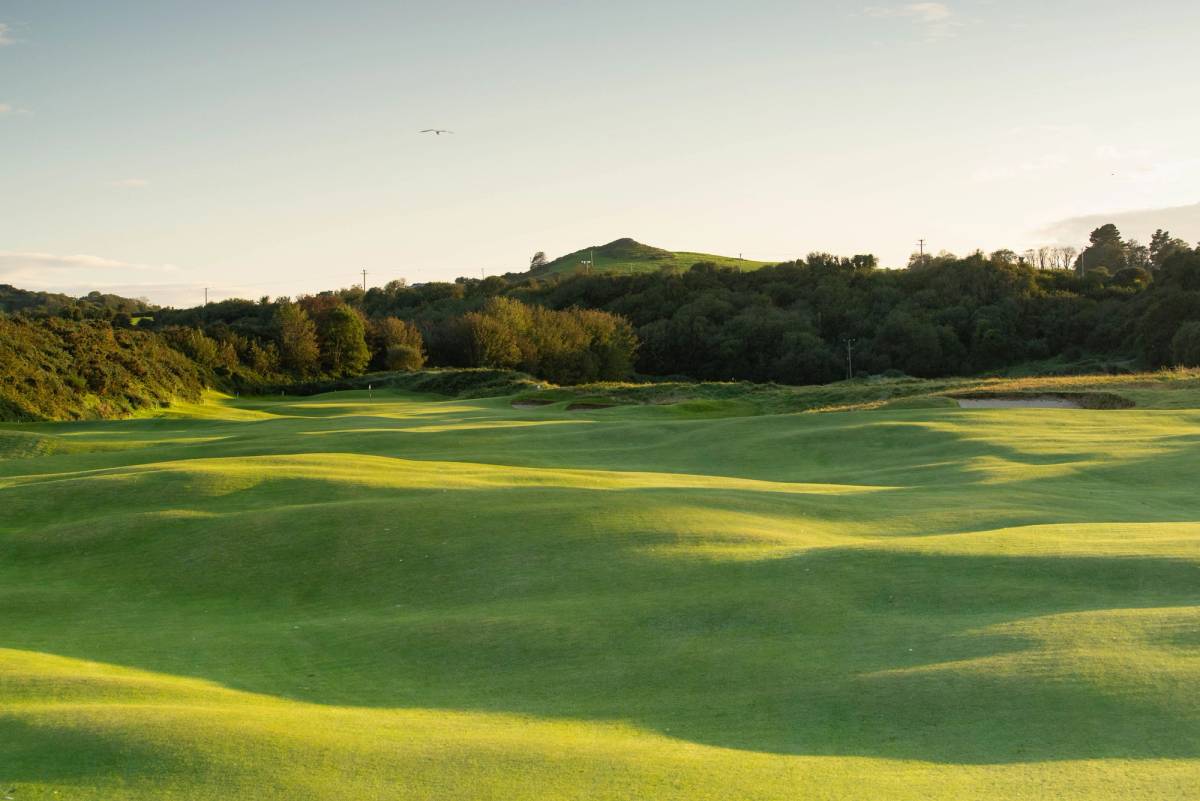
Portlaoise Golf Club's 18-hole parkland course was substantially redesigned by the noted architectural partnership of Peter Alliss and Clive Clark, giving the layout a more modern, strategic character over its rolling Laois terrain. Well-treed fairways and carefully positioned bunkering demand thoughtful course management from tee to green. The club serves as the principal golfing venue for the county town and its surrounding area.

Set on the dune-lined shoreline beside the famous Velvet Strand, this links adjoining the historic Portmarnock Golf Club was originally laid out in 1995 and re-imagined by Bernhard Langer in a major redesign completed in 2022. Rebranded as the Jameson Golf Links in partnership with the whiskey house in 2023, the course pairs genuine linksland character - tumbling fairways, deep bunkering and sea views across to Ireland's Eye and Lambay Island - with the comforts of the adjoining resort hotel.

Laid out on the slopes below Powerscourt Estate with the Sugar Loaf mountain as a backdrop, Powerscourt offers two contrasting 18-hole courses. The East Course, designed by Peter McEvoy and opened in 1996, is a classic parkland test through mature woodland, while David McLay Kidd's West Course, added in 2003, is a more dramatic, undulating layout with sweeping views over the Wicklow countryside.

Laid out on the slopes below Powerscourt Estate with the Sugar Loaf mountain as a backdrop, Powerscourt offers two contrasting 18-hole courses. The East Course, designed by Peter McEvoy and opened in 1996, is a classic parkland test through mature woodland, while David McLay Kidd's West Course, added in 2003, is a more dramatic, undulating layout with sweeping views over the Wicklow countryside.

Rathcore is an 18-hole parkland course set in gently rolling County Meath countryside near Enfield, complemented by a driving range and golf academy facilities. It is popular as a value-focused club catering to societies and visitors, with tree-lined fairways and well-maintained greens providing a fair but rewarding test for club golfers.
A quiet parkland course beneath the Slieve Bloom mountains, Rathdowney is known for its friendly welcome and excellent greens.
Originally founded in 1899 closer to Rathfarnham village, the club relocated to its present parkland site in the foothills of the Dublin Mountains, offering an 18-hole course with rolling terrain and views back across the city. Mature trees and well-bunkered greens make it a traditional test popular with south Dublin members and visiting societies alike.

Set within the grounds of the historic Rathsallagh House, this 18-hole parkland course was designed by Christy O'Connor Jnr and Peter McEvoy and opened in 1994. Mature parkland, well-placed water features and a routing that rewards accurate approach play have made it a favoured venue for society outings and corporate days, complemented by the country-house hotel on site.
Roganstown is an 18-hole parkland course near Swords designed by Christy O'Connor Jnr, opened in the early 2000s as part of a resort with an adjoining hotel, spa and leisure centre. Wide, tree-framed fairways and strategically positioned lakes give it a modern, resort-style character popular with visiting golfers close to Dublin Airport.

Founded in 1905, Rosslare is a classic Irish links laid out along the dunes overlooking Rosslare Bay, offering firm, fast-running fairways and testing sea breezes typical of the genre. Its blend of traditional linksland golf and relatively unspoiled character has long made it a favourite for purists seeking an authentic seaside test in the south-east.
Founded in 1858 on the open plains of the Curragh, this is one of the oldest golf clubs in Ireland, its heathland-style course shaped by the natural gorse and rolling grassland of the famous racing plain. Wide open vistas and firm, links-like turf give it a distinctive character, and its royal patronage and long military associations lend it a storied place in Irish golf history.
Founded in 1906 near the historic Hill of Tara, Royal Tara is an 18-hole parkland course set in mature Meath countryside beside the River Boyne. Its gently rolling fairways and well-established trees give it a traditional inland character, and its proximity to some of Ireland's most significant ancient sites adds historical resonance to a round here.

Designed by Des Smyth and opened in 1993, Seapoint is a modern links running along the coast near Termonfeckin, between the mouth of the River Boyne and Baltray. Rippling dunes, well-crafted green complexes and strong par-3s give it a reputation as one of the best modern links built in Ireland, regularly ranked among the country's top courses.
Founded in 1906, Skerries is an 18-hole parkland course on the north Dublin coast, its later holes offering fine views out over the Irish Sea towards Skerries harbour and the offshore islands. A mix of tree-lined inland holes and more exposed coastal stretches gives the round real variety.
Slade Valley is an 18-hole parkland course in the Dublin Mountains foothills near Saggart, founded in the 1970s and known for its rolling, well-wooded terrain. It offers a fair test for club golfers and has long been a popular venue for society and corporate outings within easy reach of the city.
Founded in 1921 and sharing North Bull Island with its illustrious neighbour Royal Dublin, St Anne's is a genuine links course shaped by dunes, marram grass and constant sea wind off Dublin Bay. Its exposed, natural terrain gives it a wilder character than many suburban Dublin courses, and it remains a well-regarded test for links enthusiasts.
Designed by former Ryder Cup player Philip Walton, St Helens Bay combines links and parkland holes along the coast near Rosslare Harbour, with several holes running close to the shoreline offering sea views. The resort setting, with an adjoining hotel and leisure facilities, makes it a popular choice for golfing breaks in the south-east.
St Margarets is an 18-hole parkland course close to Dublin Airport, opened in the early 1990s and known for its generous fairways, strategically placed water hazards and large, contoured greens. Its convenient location and resort-style practice facilities have made it a popular stop for visiting golfers and corporate outings.
Stackstown sits high in the Dublin foothills near Ticknock and Kilmashogue, its parkland course climbing and falling across slopes that face the Wicklow Mountains with panoramic views back over Dublin Bay. Founded in the 1970s, the layout rewards accurate iron play on tighter, elevated fairways and quick, undulating greens. It remains a well-regarded members' club for golfers from Dublin's southside suburbs.
Also known as Swords Open Golf Course, this parkland pay-and-play course is laid out on the banks of the Broadmeadow River at Balheary on the edge of Swords. Opened in the 1990s, it offers mature tree-lined fairways and several water features and has become a popular public course for North County Dublin golfers.

The Heath Golf Club lies on open, gorse-lined heathland just outside Portlaoise, one of relatively few genuine heathland courses in the Irish midlands. Established in the 1930s, its firm, undulating turf and exposed setting give a different character to the parkland courses that dominate the county, with wide views across the surrounding countryside. It remains a well-used members' club popular with local societies.
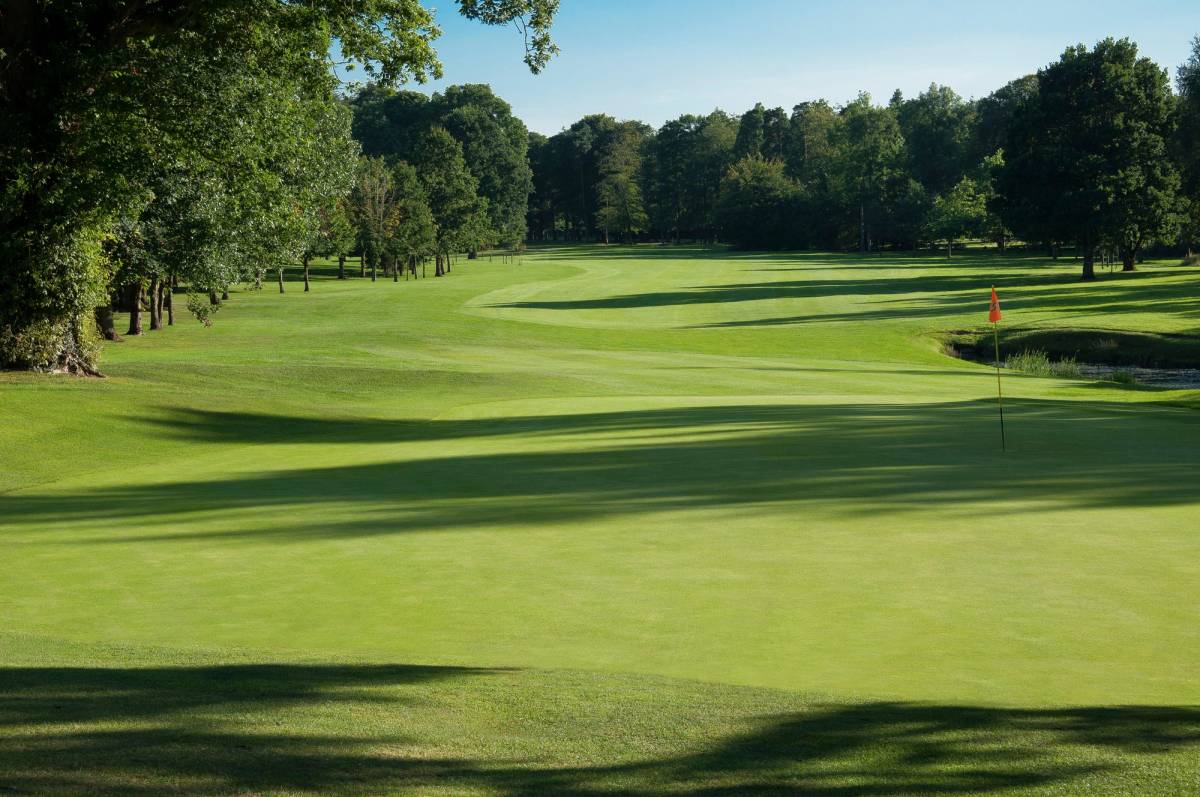
The K Club at Straffan comprises two Arnold Palmer-designed championship parkland courses laid out along the banks of the River Liffey. The Palmer Ruddy Course (formerly known as the Palmer/South Course) famously hosted the 2006 Ryder Cup and remains one of Ireland's best-known resort courses, while the Palmer Smurfit Course (North Course) offers an equally demanding, if less celebrated, complement with water in play on numerous holes.
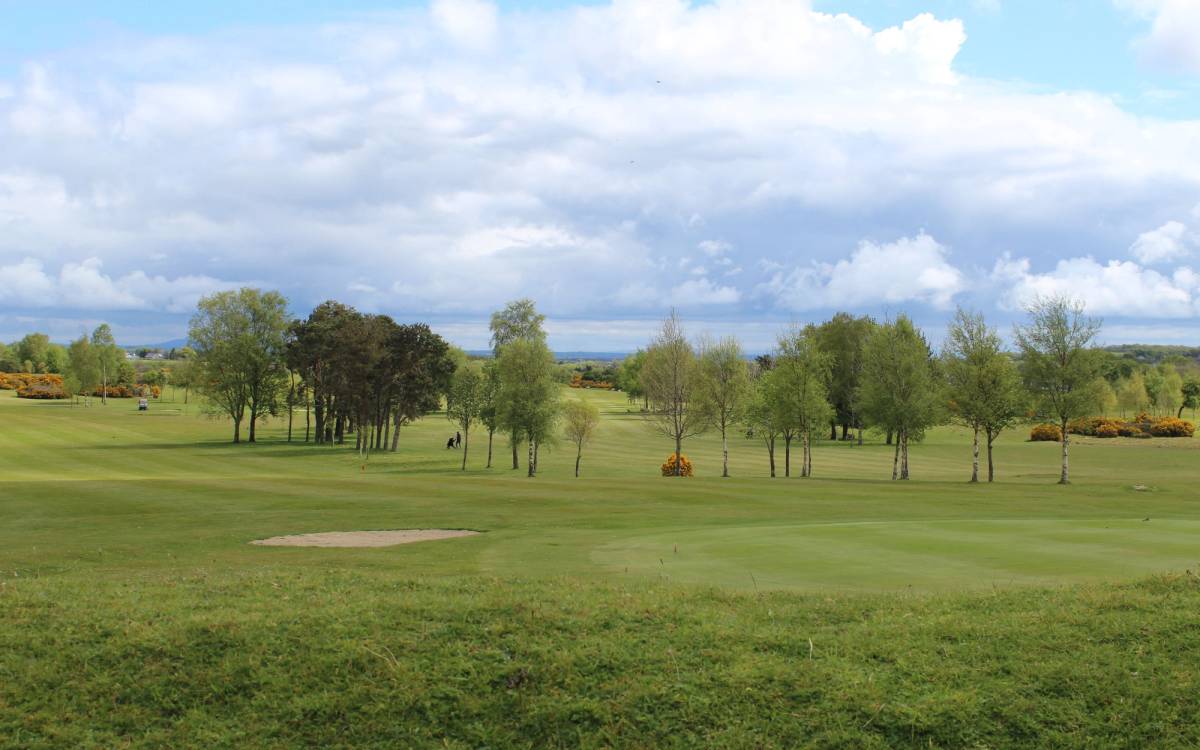
Tulfarris is an 18-hole parkland course designed by Patrick Merrigan on the southern shores of the Blessington Lakes (Poulaphouca Reservoir) in West Wicklow, forming part of a hotel and golf resort. The lake provides a scenic backdrop throughout the round, with water coming into play on several holes, particularly down the closing stretch.

Tullamore Golf Club's 18-hole parkland course was laid out on the Brookfield estate by five-time Open champion James Braid in the late 1920s amid mature woodland. It is regarded as one of the finest inland courses in the Irish midlands, prized for its tree-lined fairways, well-bunkered greens, and classic Braid routing.

Wexford Golf Club's 18-hole parkland course occupies high ground at Mulgannon overlooking Wexford town, its harbour, and the Slaney estuary. The undulating terrain and well-maintained greens have made it a long-standing favourite for golfers in the south-east.
Founded in 1904, Wicklow Golf Club sits on a headland just south of Wicklow town, its 18 holes running along dramatic cliffs above the Irish Sea. The clifftop holes are especially memorable, and the course is widely regarded as one of the most scenic parkland-links hybrids in the county.
Woodbrook is a classic parkland course laid out along the coast just south of Dublin near Bray, opened in 1926. It hosted the Carrolls Irish Open on several occasions through the 1970s and 1980s, and several holes run close to the cliff edge with fine views over the Irish Sea, giving the course a lasting reputation among Ireland's traditional layouts.
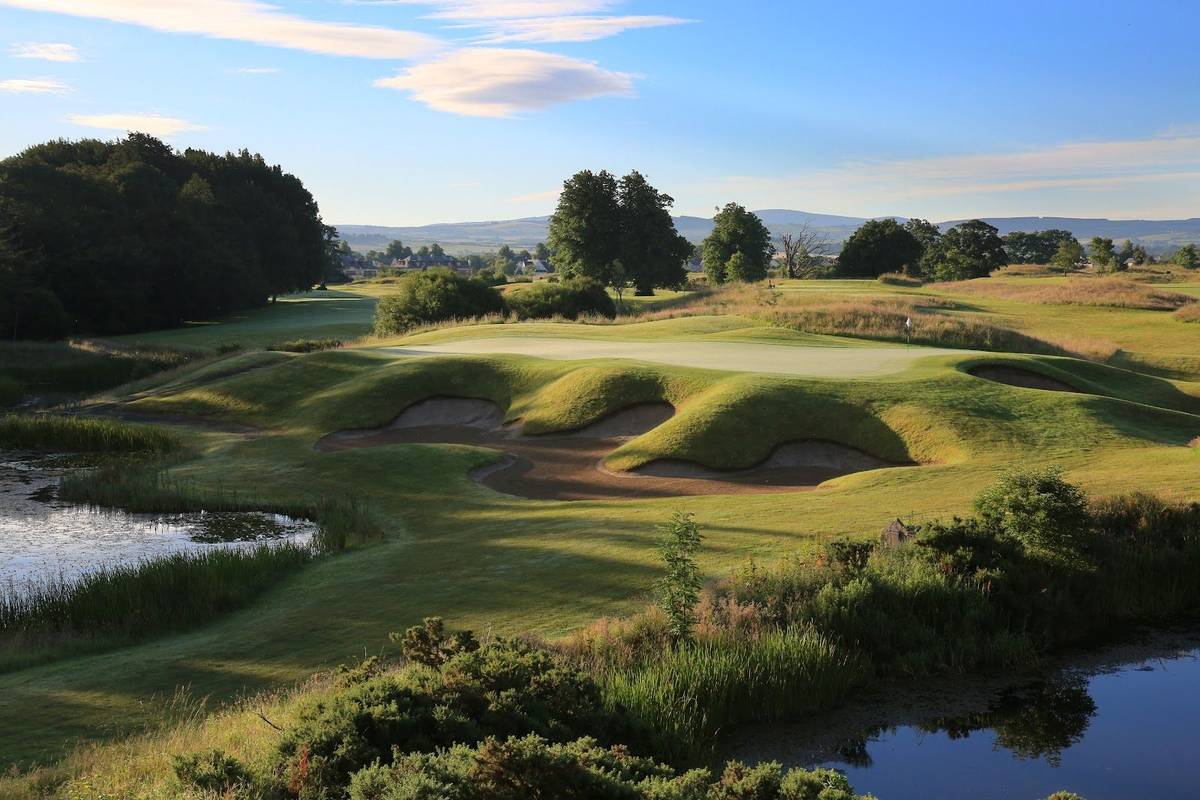
One of Ireland's oldest clubs, founded in 1884, Woodenbridge Golf Club lies in the scenic Vale of Avoca where the Aughrim and Avoca rivers meet. Its parkland 18 holes are framed by wooded hills and river bends, making it a picturesque and historic test for visiting golfers.