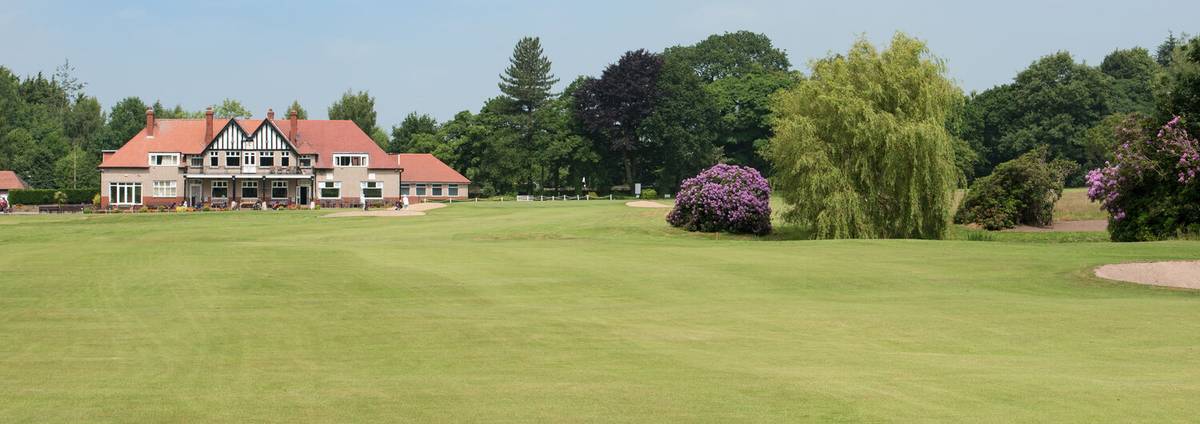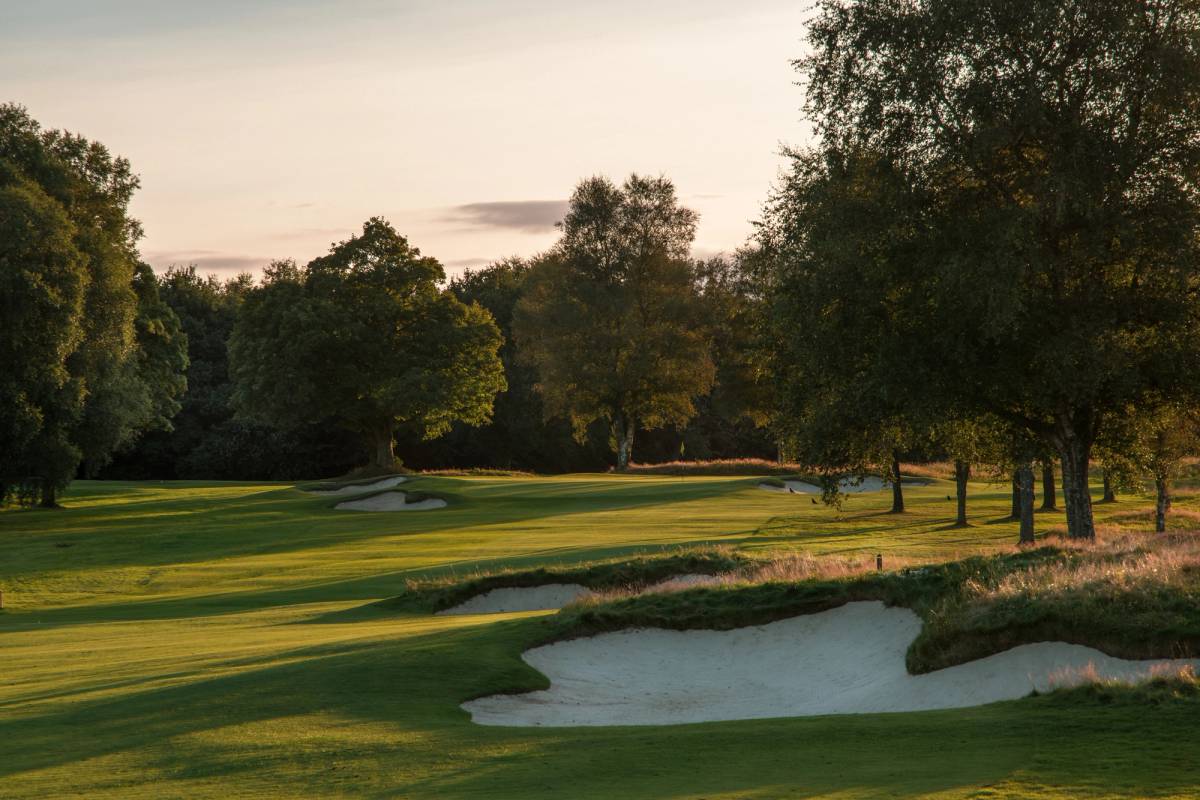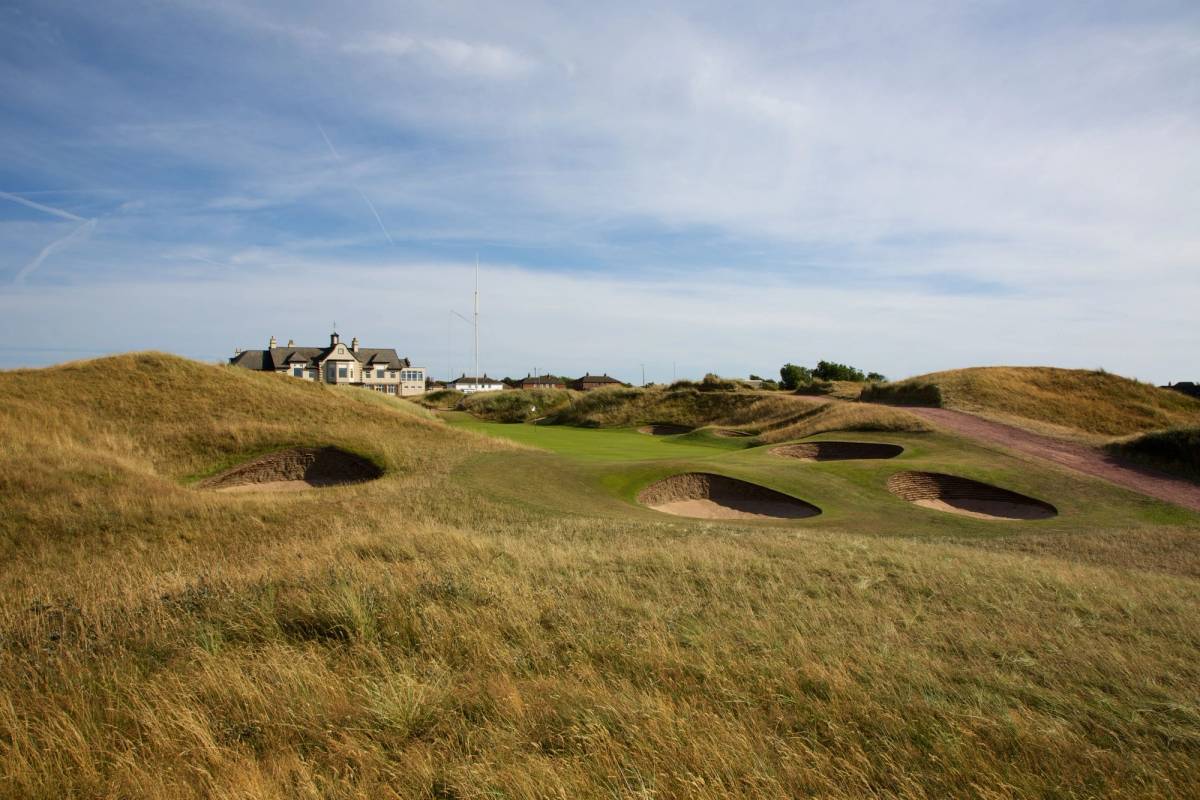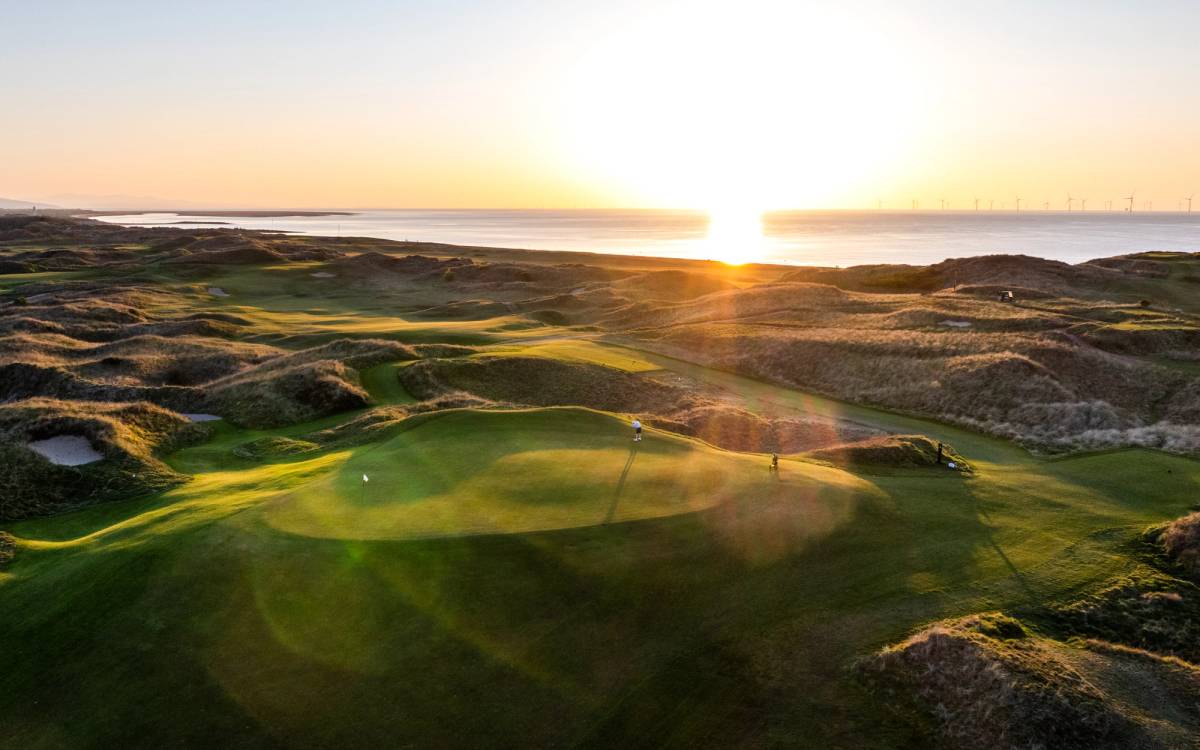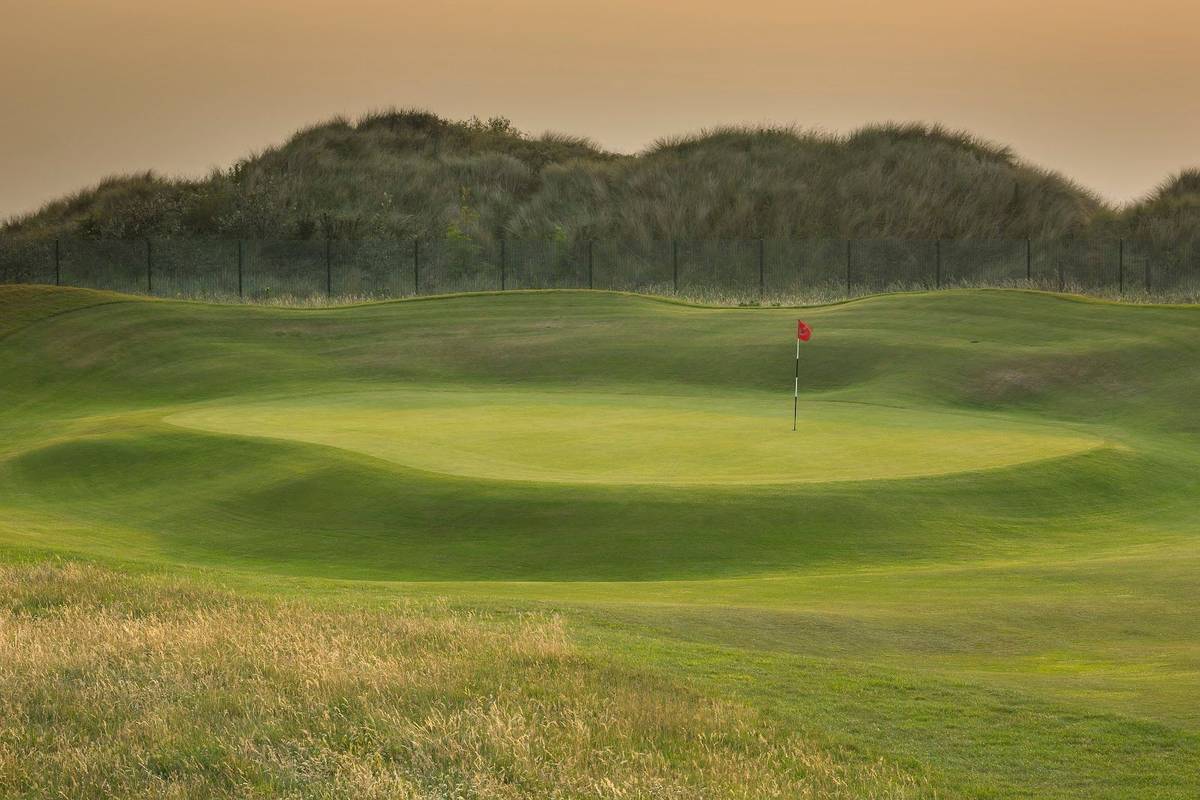
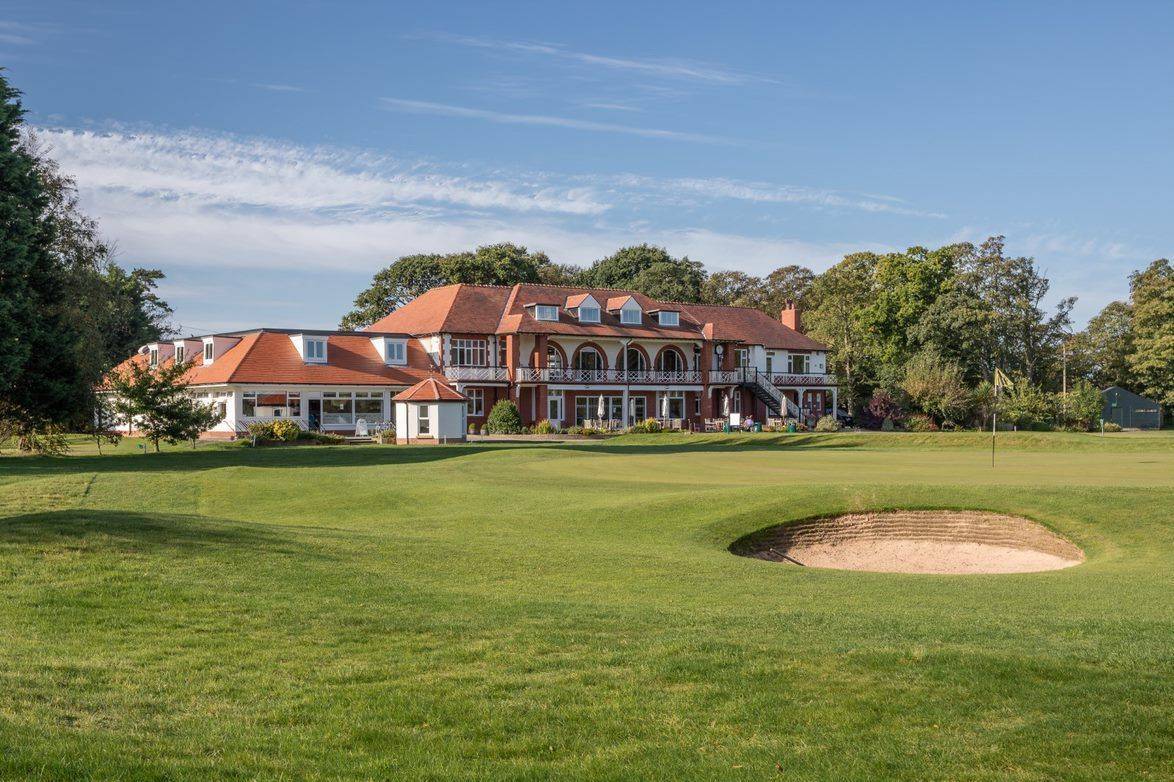
Founded in 1893 as a nine-hole moorland course at Peel Park before moving to its present site, this 18-hole parkland course between Accrington and Blackburn is set in a valley and offers a fair test even for strong amateurs. Recently modernised catering facilities sit within an extended clubhouse, and the club fields a resident PGA professional for lessons and equipment.
England
Lancashire
115 courses in Lancashire — the county top 5 followed by the full club directory.
Top 5 in Lancashire
More courses110
Set within the mature woodland of the Allerton Manor Estate in south Liverpool, this play-and-pay 18-hole parkland course has undergone significant redevelopment since 2015. Despite its central location close to Liverpool city centre, the rolling, tree-lined layout feels far removed from the city, and the estate also includes an academy course and event facilities in a Grade II listed building.
An 18-hole municipal seaside links on Park Road, Southport, established in 1912. Long, tight fairways and thick rough make it a tougher test than its budget green fees suggest, with a brook threading through the front nine and coastal winds adding to the challenge for golfers of all standards.
Established in 1908 on the outskirts of Preston, this flat, tree-lined 18-hole parkland course borders the Millennium Ribble Link and asks golfers to plot their way carefully round three tricky par 3s and a back nine where water comes into play on seven holes. The clubhouse, extended in 1994, includes a driving range and conference facilities.
Founded in 1902 on land known as 'Eight Acres' near Garswood Park, this 18-hole course between Wigan and St Helens was redesigned by Hawtree Ltd in 1974 and sits on the site of a former colliery.
Formed in 1913, this wooded 18-hole parkland course sits in the foothills of the Pennines on the edge of Greater Manchester. Over the years its fairways have been lengthened and new bunkers, tees and trees added, and it remains a regular Lancashire county venue known for a testing closing par-3.
An 18-hole course set in 260 acres of natural parkland with a heathland feel, where gorse grows throughout and water features bring wildlife into the layout. Built on a free-draining sand base for reliable year-round golf, the design mixes four challenging par 5s, four picturesque par 3s and ten well-length par 4s. Previously known as North West National Golf & Country Club, it was established in 1990 with a course designed by Bill O'Meara.
Founded in 1894 when Blackburn was at the height of its power as a cotton and engineering town, this 18-hole parkland course on Beardwood Brow was laid out by James Braid on former grazing land. It offers sweeping views of the Pennine Hills and the Lancashire coast, with hilly, well-treed fairways and water hazards adding to the test.
Founded in 1908 at White Moss Farm and extended to 18 holes in 1922 on land at Clough Top Farm, the club moved to its present Victoria Avenue site in 1937 after Manchester City Council acquired the original course. Less than five miles from the city centre, this member-owned parkland course is not overly long but rewards accuracy over power around its water hazards and tight greens, and its clubhouse, formerly White Moss Farm, dates from the turn of the twentieth century.
Founded in 1904 on Knowle Hill, the highest point in Blackpool, the course was redesigned by Harry Colt (chosen ahead of James Braid) and reopened in 1927. Though built beside the sea, the ground is clay rather than sand, so it is not a true links, but its fast, undulating greens are reckoned among the best in the county. A regular Open Championship qualifying venue, it has hosted exhibition visits from Arnold Palmer and Jack Nicklaus.
Set in the historic Stanley Park, this 18-hole municipal course was designed in 1925 by Alister MacKenzie, architect of Augusta National. The undulating parkland layout doesn't rely on length but demands strategy to avoid its carefully placed bunkers and natural hazards such as ditches and grassy hollows, and it is currently under fresh management with plans to build on its heritage.
Founded in 1994 on Blundells Lane, Rainhill, this mature parkland course rewards precision over power. Tree-lined fairways, water hazards and five demanding par 3s test accurate club selection, especially in the wind, and the elevated clubhouse looks out over the Wirral towards the Welsh mountains.
Founded in 1891 with an original nine holes on Green Lane, the club moved to Smithills before a group of members split away in 1912 to lay out a new 18-hole course at Lostock Park, taking the Bolton Golf Club name with them (those remaining at Smithills became Bolton Old Links). Designed by R. Hermon Crook and later modified by Harry Colt, the tree-lined, undulating parkland course looks out over the South Lancashire and Cheshire plains.
Tracing back to the original 1891 Bolton Golf Club, the members who stayed at the Smithills course on the edge of the West Pennine Moors after a 1912 split adopted the name Bolton Old Links, while others moved on to found the present-day Bolton Golf Club at Lostock Park. This heathland/moorland course retains a wilder, more rugged character than its lowland neighbours.
Designed by Tom Simpson and opened in 1934, this Sefton Council-run municipal course on Dunnings Bridge Road plays as an inland links close to the Liverpool city boundary, with big, fast greens that reward a hot putter.
Set within Bowring Park, land gifted to the people of Liverpool by the Bowring family in 1906-07, this 18-hole parkland course opened in 1913 as one of the first municipal golf courses in England. Rolling fairways and a well-balanced mix of par 3s, 4s and 5s make it a popular test for players of all standards, with the historic Coach House overlooking the course.
Founded in 1911 (or 1914 by some accounts) at Red Bridge, Ainsworth, between Bury and Bolton, this parkland course remained nine holes for most of its history until an 18-hole extension was completed in 2004-05, and it marked its centenary in 2011 by hosting the Bolton and District Golf Championships.
First appearing around 1905-06 at Lord Lane, Failsworth, this picturesque parkland course now sits in the Medlock Valley at Woodhouses, with the River Medlock coming into play on six of its 18 holes. The 12th tee offers a viewpoint over the whole course, and the clubhouse balcony looks out across the valley.
Known locally as Glen View, this moorland course was founded in 1905 on the fringe of the Habergham Eaves moors and remodelled by James Braid in 1929. Panoramic views stretch from Pendle Hill to the Yorkshire Three Peaks, and the closing 18th demands a precise drive past a lake to a green overlooked by the refurbished clubhouse balcony.
Founded in 1890 at Redvales, where Harry Vardon served as the club's first professional, the course was ploughed up for wartime food production in 1918. Members Norman Duxbury and Sam Roberts helped secure new land at Unsworth Hall, a Georgian mansion, where Alister MacKenzie laid out the present 18-hole semi-moorland course in the 1920s, known for its two-tier greens and undulating contours.
Opened in 1961 at Castleton, Rochdale, this pay-and-play parkland complex offers two courses: the 18-hole, largely par-3 Sue Wilson Course, ideal for sharpening the short game, and the 9-hole Tom Wilson Course. A driving range and outdoor seating overlooking the course complete the facilities.
Founded in 1912 and moved to its present Gateacre site in 1938 on the recommendation of James Braid, this 18-hole parkland course in the Liverpool suburbs is largely flat but demands precision from the tee. A regular venue for Lancashire County Championships, it hosted the England Golf Northern Boys Championship in 2012 and the Four Counties Junior Tournament in 2016. The clubhouse is an attractive Art Deco-influenced building refurbished in 2018.
Founded in 1897 and set in 127 acres of rolling moorland at Heath Charnock, this 18-hole course offers stunning views stretching from the South Lakes to North Wales. Its clubhouse, Hall O'th'Hill, is a Grade II*-listed building, and the layout runs as two loops from the 1st and 10th tees, both finishing near the clubhouse.
Established in 1891 in the heart of the Ribble Valley, this James Braid-designed parkland course is gently undulating and tree-lined, with the par-3 5th often rated among the best short holes in North West England. Golfers enjoy views of the Longridge Fells and medieval Mitton church, and the course has a modern performance academy alongside its renovated clubhouse.
Incorporated in 1914 (with the course dated by some sources to 1908), this 18-hole parkland course at High Barn sits on the edge of the Pennines between Rochdale and Oldham, mixing rural views with a distant city skyline. A spacious clubhouse with a function room completes the club.
Founded in 1893 after a local vicar, out walking over Winter Hill, chanced upon men knocking a ball around with a curved stick, this course begins with a parkland front nine beside Sunnyhurst Wood before climbing into moorland for the back nine, with sweeping views to Darwen Tower and the coast. It is the home course of Open champion Richard 'Dick' Burton.
Golf was played on the Davyhulme estate from at least the 1860s, on grounds that trace back to Davyhulme Hall in 1154, making it one of the oldest golfing sites in England. The present club was formed in 1911, laying out its course in stages after buying land from the old estate, and its striking Art Deco clubhouse dates from 1937. A risk-and-reward parkland test with a mix of inviting par 4s and dangerous par 5s, it is easy walking and, as the club puts it, something of a hidden gem.
Founded in 1922 between the villages of Up Holland and Orrell, this course is often called a 'game of two halves': a James Braid-designed front nine through tree-lined parkland, and a more technical original back nine with sloping fairways and small, undulating greens. It sits alongside Dean Brook, below Dean Wood's ancient bluebell woodland, with sweeping views over West Lancashire.
Founded in 1906 and one of the oldest clubs in the Bolton district, this parkland course winds through the valley of the River Croal, with streams and natural hazards demanding accuracy over distance. It has been played by golfing greats including Sir Henry Cotton, and offers views over Rivington and the West Pennine Moors from its '1906 Function Suite' clubhouse.
Founded in 1909 as a nine-hole course and extended to 18 the following year, this W.J. Leaver-designed parkland course near the M60 is flat and easy walking, but mature trees, doglegs and water hazards demand strategy, notably at the well-known 'Death or Glory' hole. The clubhouse balcony looks out over the course, and the Mike Hollingworth pro shop houses a modern indoor teaching academy.
Founded in 1908 in the valley of Galebrook between Turton Heights and Winter Hill, this 18-hole parkland/moorland course, just three miles from Bolton, plays like a links in miniature, exposed to the wind with sweeping, uninterrupted views. The signature 16th, 'The Quarry', is a picturesque short par 3 set among heather and bunkers in a former quarry.
Opened in 1977 to a Hawtree Ltd design within the historic grounds of the old Duxbury Hall Estate, this 18-hole council-run public course sits amid picturesque woodland and walled gardens. It stays on summer greens year-round and offers an accessible test for golfers of every ability, with a clubhouse restaurant and bar known as 'Nineteen'.
Founded in 1913 beside the East Lancashire Road at Worsley, just 10 minutes from Manchester city centre, this parkland course winds through mature trees and is known for the closing 18th, 'Pavillion', protected by a stream and steep banks. The clubhouse was rebuilt in 1996 and offers a restaurant, function room and separate lounges alongside a well-equipped practice ground.
Founded in 1892 near Audenshaw, five miles east of Manchester, Fairfield Golf and Sailing Club is a parkland course set around a reservoir, giving it an unusual location among its neighbours. Accuracy off the tee matters more than length, and the spacious clubhouse balcony offers views across the water to the distant Pennine hills.

Fairhaven Golf Club is situated a mile or two away from Royal Lytham and St Annes Golf Club. It’s less heroic than Lytham, but nevertheless, the golf is still very good indeed. “The new course of the Fairhaven Club, an inland course in a pretty park with something attractively secret about it,” wrote Bernard Darwin in The Golf Courses of Great Britain . “We walk through a wood and suddenly and surprisingly find ourselves in a big tract of country, very…
Traced back to 1861, when officers at the town's Euston Barracks laid out a links course, and reconstituted by townsfolk in 1893, this is the only true links on the Fylde Coast, moving to its present Princes Way site in 1932 to a James Steer design. Gently undulating fairways, subtle greens and Irish Sea winds test all standards, with views from the clubhouse stretching to the Isle of Man on a clear day.
Opened by Sir Kenny Dalglish in 1996 on 200 acres of former marshland around the Formby family's 1523 castellated mansion, this parkland resort course is a deliberate change of pace from the links that surround it, with water on 16 of its 18 holes. A hotel, spa and nine-hole Woodhey Dunes short course complete the resort, which has hosted the European Challenge Tour.
Founded in 1896, this is the only independent women's golf club in the UK, though it warmly welcomes visitors of all genders. Set among the pine trees, sand dunes and heather of the Sefton coast, its own 18-hole links/heathland course sits within the grounds of the championship Formby Golf Club and is a haven for red squirrels. Narrow, heather-lined fairways reward precision over power, and the clubhouse is known for its warm welcome and home baking.
Established in 1913 and incorporated in 1963, this member-owned 18-hole parkland course sits in the picturesque Douglas Valley near Shevington, Wigan, with easy access to the M6. Mature trees and hilly terrain favour strategy over sheer distance, and the club has recently invested heavily in new greenkeeping machinery to keep the course in top condition.
Founded as St Helens and District Golf Club in 1891, with an original nine holes by John Morris (nephew of Old Tom Morris), the club took the Grange Park name in 1911 as the course expanded to 18 holes on Eccleston Hill. After the First World War, Pilkington Glass bought the land, and James Braid was commissioned to redesign the course, his bunkering still evident on many holes today. Fast-draining sandstone keeps the mature parkland course playable year-round, with quick, subtly contoured greens as its main defence.
Established in 1910 (with an earlier course from 1919), this parkland course sits above the Morecambe Bay resort of Grange-over-Sands, around seven miles from Windermere. A gently testing layout suited to mid-to-high handicappers, it is known for its strong run of par 3s, and has recently been extended with additional land to lengthen the course beyond 6,000 yards.
Formed in 1917 when the separate nine-hole Great Lever and Farnworth clubs amalgamated, this flat, easy-walking parkland course on Plodder Lane is just two minutes from junction 4 of the M61 and gives sweeping views over the Cheshire Plain, North Lancashire and into Yorkshire. The clubhouse includes a snooker room and large function suite for private hire.
Founded in 1920 three miles north of Bury and incorporated in 1935, this undulating parkland course is set around Greenhalgh Fold, a Grade II-listed farmhouse, with mature trees, streams and thick undergrowth testing golfers of every standard.
A public 18-hole 'Balcarres' course set within the historic Haigh Woodland Park near Wigan, threading through mature parkland once part of the Haigh Hall/Bradshaigh estate. Council-run and accessibly priced, it offers a fair but interesting test for golfers of all standards, alongside a driving range and golf academy.
Opened in 1995 by farmer-turned-course-owner Peter Roberts, who built and still runs it with his family, this 18-hole parkland course on the outskirts of Bolton has grown into a 27-hole complex with a nine-hole Academy course, practice holes and a floodlit driving range. Wide fairways favour big hitters, but well-placed bunkers and water hazards provide the real test, with views towards Cheshire and North Wales.
Founded in 1926 by four local shopkeepers, this course on the edge of the West Pennine Moors near Bolton started life as nine holes before being extended to a full 18 in 1998. Slightly undulating parkland with water hazards rewards accuracy, and the clubhouse lounge looks out over the 18th fairway with panoramic views across the surrounding countryside.
Founded in 1877, one of the oldest clubs in England, the course originally lay at Dean Dam before moving to Golborne Park in the early 1920s, where Harry Simpson laid out the new course before James Braid modified it a decade later. This flat, tree-lined parkland/woodland layout demands precision from tight fairways to small, well-guarded greens, with the 6th and 13th picked out as highlights, and the clubhouse's James Braid Room overlooks the 18th green.
Set within Heaton Park, one of Europe's largest municipal parks and grounds of the Grade I-listed Heaton Hall, this council-run 18-hole course was laid out after Manchester Corporation bought the estate from the Earl of Wilton in 1902. It offers spectacular views over the Pennines and surrounding countryside, alongside a par-3 pitch-and-putt course.
Opened in 1994 as part of a Blackpool hotel and leisure complex, this Peter Alliss and Clive Clark design occupies 236 acres of lakes and parkland with a distinctly open, links-like feel. Ten lakes and grass-fronted bunkers guard tight fairways leading to subtly breaking USGA-spec greens, and Blackpool Tower is visible from several points on the course, notably the 14th hole.
Founded in 1885, Southport's oldest club (whose members went on to found Royal Birkdale) blends links and parkland at the northern end of the Merseyside dune system, laid out by J.O.F. Morris and later refined by George Lowe and James Braid. A designated Site of Special Scientific Interest, it borders the Ribble Estuary and regularly hosts Open Championship regional qualifying, with the par-3 16th once rated the best short hole in the area by Henry Cotton.
Founded in 1910 on high ground east of Higher Heysham, the club moved to its present Trumacar Park site in April 1928 as post-war housing swallowed the original course. Elevated parkland gives stunning views over Morecambe Bay to the Lakeland Hills, the Pennines and, on a clear day, Blackpool, and the striking Art Deco clubhouse looks out across the course from every lounge.
Founded in 1905 on the grounds of the historic Hindley Hall estate near Wigan, this parkland course is dominated by its Grade II-listed 18th-century clubhouse, a former country house with a ha-ha and lakes once part of its pleasure grounds. Tree-lined and not overly long, it rewards precision over power, with water guarding the tricky 1st and 11th holes.
Constructed in 1994-96 across 132 acres of Billinge Hill, this parkland course was enhanced with 25,000 newly planted trees and offers panoramic views over the Lancashire Plain to the Welsh hills. Large USGA-spec greens with subtle borrows and traps that catch wayward shots make it a genuine test, and the stone-faced clubhouse's Spikes Bar and balcony restaurant overlook the course.
Opened in 1994, this Donald Steel-designed course sits in 135 acres of gently undulating parkland at Scarisbrick, between Ormskirk and Southport, with seven lakes and Hurlston Brook woven among mature trees. Steel's classical, unshowy philosophy shines through in the well-placed traps and sculpted greens, notably the tough par-3 2nd, played uphill over the brook into the prevailing wind. The estate also has a leisure club, spa and 'The Scullery' restaurant.
Laid out in 1904 by James Braid on the historic Hurst Park Estate, once home to coal-wealth families the Evans and Athertons, the club celebrated its centenary in 2005 and is housed in a Grade II-listed former mansion. Tree-lined and undulating, the parkland course rewards accuracy over power, with a notable 400-year-old oak on the 9th fairway and water guarding the signature 5th.
An 18-hole parkland course opened in 1928 on the Liverpool/Knowsley border, close to the M57, with mature tree-lined fairways and the River Alt running through several holes. The club is currently the subject of a major redevelopment programme by its operator, Green Circle Leisure.
Founded in 1910 and redesigned by James Braid in 1921, this Fylde coast 'course of two halves' opens with five holes running beside the River Wyre estuary, offering views of Morecambe Bay and the Lake District, before dropping into a sheltered, tree-lined back nine. The notorious short 11th, surrounded by water and out-of-bounds, has wrecked more good scorecards than any other hole, and the 1999-built clubhouse sits right on the sea wall.
Set around Ashton Hall, a Grade I-listed 14th-century mansion on the east bank of the River Lune that the club bought outright in 1993, this James Braid-designed parkland course was laid out on the surrounding estate in 1932. Wide views take in the Lune Estuary, Morecambe Bay and the Lakeland Hills, and the unforgettable 18th plays from an elevated tee across a ravine to a green beneath the historic hall's windows.
Designed by Frank Pennink and opened in the mid-1950s at Gateacre, Lee Park is an easy-walking parkland course known for immaculately conditioned, well-protected greens, once rated championship quality by an R&A agronomist. Regarded as one of Merseyside's friendliest clubs, it has earned England Golf's GolfMark and Environment awards, and the venue has a place in music history as an early performance spot for The Quarrymen, the group that became the Beatles.
Incorporated in 1956 and reached along a tree-lined driveway, this parkland course is centred on Kenyon Hall, a Grade II-listed mansion at Culcheth that serves as clubhouse. Not overly long, its tree-lined fairways and technically demanding greens still ask for real precision, and a £100,000 improvement plan has rebuilt the greens to PGA standard.
With club records dating back to 1924, this 18-hole parkland course on Wigan Road is professionally landscaped with several water hazards and a large practice ground. Open sightlines and forgiving fairways make it a friendly test for golfers of most standards, with a modern clubhouse that visitors regularly praise.
Founded in 1915 and tracing its roots to the 1877 Preston Cycling Club, this course sits high on Longridge Fell in an Area of Outstanding Natural Beauty, with sweeping views over the Ribble Valley to the Forest of Bowland. Though laid out as parkland, its exposed hilltop setting gives it a links-like character when the wind blows, and the upstairs 'Greenwood Bar' is the traditional gathering spot after a round.
Laid out in 1913 by 1902 Open champion Alex Herd and remodelled by James Steer in the 1940s, this parkland course near the Fylde coast has hosted Open final qualifying three times. Tree-lined fairways with subtle, links-like undulations can deceive the eye on distance, and small, well-bunkered greens demand precise approach play, notably at the dog-legging 14th, 'Devil's Elbow'.
Founded in 1882 by eight Scotsmen as the Manchester St Andrews Golf Club, the club moved from Manley Park to Trafford Park before settling at Hopwood Park, Middleton, in 1912, buying the freehold in 1925. Harry Colt's design occupies a rugged ridge of moorland and parkland sometimes dubbed the 'Sunningdale of the North', crossed by a ravine and brook, with a much-admired par-3 13th and a pine-framed par-3 16th among its highlights.
Opened in 1998 around a historic Victorian building set in 200 acres of parkland, this PGA Championship-standard course was designed by Michael King and Ross McMurray of European Golf Design. Wide fairways and large USGA-spec greens give the novice a fair chance, though its 6,611-yard length favours longer hitters, and it forms part of a hotel and spa complex just outside Manchester.
Formed in 1905 with a nine-hole course laid out by George Lowe, the club outgrew its original site and relocated to Bare, on the site of a former artillery range, in 1923, where Alister MacKenzie designed the present course. Overlooking Morecambe Bay and the Lakeland fells, this par-67 layout has no par 5s but demands precision on MacKenzie's characteristically undulating, well-defended greens, notably at the par-3 'Seascale' 16th, played over a ravine.
Established in 1996 across 130 acres on the Lancashire/Merseyside border, this Steve Marnoch-designed course has matured with over 6,000 trees planted since opening. USGA greens and strong drainage keep it playable year-round, with the par-3 11th, tucked in a wooded dell and guarded by a stream and bunker, the standout hole. The refurbished 18th-century clubhouse retains many original features.
Built by farmer Frank Hargreaves on land he once grazed cattle, this course was opened in 1994 by Liverpool, Blackburn and Scotland great Kenny Dalglish. Laid into the hillside above the family-run Mytton Fold Hotel, it climbs to a notorious par-4 6th nicknamed 'Mytton's Ascent', rewarding the effort with panoramic views over the Ribble Valley, the Forest of Bowland and the Yorkshire Dales to Blackpool Tower.
Founded in 1902/03 with nine holes at Kibble Bank, the club moved to its present Marsden Heights plateau in 1917, where Alister MacKenzie designed a moorland course that delivers panoramic Pendle views without any serious climbing, laid out in two loops of nine from a clubhouse shared by the 1st and 10th tees. In recent years more than 450 trees have been felled to reveal the more traditional, open links-like character of MacKenzie's original design.
Founded in 1894 on land rented from the Earl of Wilton at Crumpsall, the club bought Rhodes House and 180 acres at Middleton in the early 1920s when its original site was sold for development. This mature parkland course, with several reservoirs as scenic hazards, is often described as a hidden gem within the Manchester conurbation, and is currently undergoing redevelopment with a new clubhouse alongside an adjoining housing scheme.
Designed by Steve Marnoch and developed around a hotel at Withnell, near Chorley, this course offers views across the West Pennine Moors, with a nine-hole layout later added alongside the original 18. It was long paired with the Oak Royal Hotel and Spa, giving golfers on-site accommodation and dining close to the M61.
Founded in 1892 on the edge of town at the foot of the Pennines, this is the oldest club in the area, its tight moorland fairways and fast greens climbing to around 240 metres above sea level. From the top of the course, views stretch across the Cheshire Plain to Jodrell Bank and, on clear days, the Welsh hills.

Ormskirk golf Club was formed in 1899, with a 9-hole course laid out in an area of Lathom Park, which was originally part of a royal deer park, with excellent turf that had never been ploughed. Lord Lathom officially opened the new layout and it proved to be such a success that a second nine holes were added in 1903. The man chosen to design the extended 18-hole course was Harold Hilton, one of the finest amateurs to ever play the game. He’d already won…
Based at Golf House on Park Road West, Southport, alongside the municipal Southport Golf Links, this club is part of a long-established public golfing complex on the town's coastal fringe, with undulating fairways and views towards the Irish Sea shared by several clubs that play over the same links land.
Founded in 1908 on the outskirts of Preston, this undulating, tree-lined course was substantially remodelled by Ken Moodie in 2007, with sand-based greens and improved drainage making it one of the driest courses in the region. In 1972 it welcomed a celebrity foursome including footballing greats Tom Finney and Matt Busby, and it remains a popular society and visitor venue with a spacious clubhouse.
Founded in 1909 at Tweedale Hill Farm, Blackley, the club moved to Cooper Lane in 1920 and was forced to close in 1998 to make way for the M60. It reopened on its present Back O'th Moss Farm site at Unsworth in 1999, growing from nine to a full 18 holes by 2008. The relatively flat course is broken up by half a dozen ponds and lakes, with USGA-spec greens and a clubhouse overlooking the 18th.

When Pleasington Golf Club was formed in 1891, Blackburn was the weaving capital of the world where cotton was king. The rural village of Pleasington is located on the outskirts of the East Lancashire mill town and the course itself is set in a delightful rolling landscape with magnificent country views from the high ground. Originally, a simple nine-hole course was laid out by George Lowe, the professional from Royal Lytham and St Annes and, in 1909,…
Founded in 1892 by James Rigby and Nicholas Cockshutt with George Lowe's advice, and merged with the short-lived Fulwood Golf Club in 1895, the course has since been shaped by golf's greats including Harry Vardon, James Braid, Alister MacKenzie and Sandy Herd. Set in 120 acres of parkland, the club's historic clubhouse is housed in Fulwood Old Hall, dating from 1551, alongside a modern TopTracer driving range and academy.
Founded in 1908 on hilly ground bordering Kersal Moor, the birthplace of the pioneering original Manchester Golf Club, this parkland course underwent an £800,000 redesign by international architect Paul Thomas, opening in 2020 with six remodelled holes and four brand-new ones extending onto the moorland. The relaxed, unstuffy club prides itself on a quick, playable round and a welcoming clubhouse popular for socialising.
Opened in 1932 to a James Braid design at Lostock, Bolton, this council-run 18-hole parkland championship course pairs with a 20-bay floodlit driving range, a par-3 academy course and a footgolf course, making it a popular all-round golfing destination for serious players and families alike.
Founded in 1927 on the Eachill Links above Rishton, the course was redesigned in 1982 by Peter Alliss and Dave Thomas. This parkland layout, now stretching to 11 holes, finishes right outside the recently refurbished clubhouse, and its well-maintained greens are regularly praised as among the best-conditioned in East Lancashire.
Founded in 1888, one of the oldest clubs in Lancashire, this parkland course at Bagslate on the edge of Rochdale is not especially long but punishes inaccuracy, with holes 6 to 11 particularly well regarded by visitors.
Set at Ewood Lane Head above Haslingden with extensive views across the surrounding moorland, this parkland course is where future Ryder Cup captain Sam Torrance honed his game as a boy while his father Bob served as club professional. A recent series of course improvements and a new clubhouse have made it one of East Lancashire's leading venues.
Founded in 1904 as a nine-hole course and redesigned as 18 holes in 1913 by Alister MacKenzie, architect of Augusta National, this course climbs the slopes of Wharmton Hill above Uppermill to one of the highest tees in England at 1,272 feet, with the present 5th green reputed to be an original MacKenzie green. The panoramic views over the Saddleworth villages make the clubhouse a popular wedding and events venue alongside its golfing facilities.
Founded in 1923 and opened as 18 holes in 1925, this parkland course was designed by Laurence Allamby, a pupil of Alister MacKenzie, and occupies 192 acres around the 18th-century Shaw Hill mansion, now a hotel and spa. European Tour pro Nick Dougherty grew up playing here, and the testing par-72 layout features a meandering brook, strategic ponds and heavily bunkered greens, notably at the demanding 8th, where the tee shot must carry a stream before the approach crosses a pond.
Opened in the mid-1970s within the mature woodland of St Helens' Sherdley Park, this council-run pay-and-play course is designed by Peter Parkinson and known for tree-lined fairways and distinctive MacKenzie-style greens that reward a precise short game. It remains one of the North West's most popular municipal courses, with a mix of par 3s and par 5s suiting golfers of all standards.
Opened in 1906 and lying within the Arnside and Silverdale Area of Outstanding Natural Beauty, this 18-hole course offers sweeping views across Morecambe Bay to the Cumbrian Howgill Fells. The front holes play as open, undulating parkland, while the remainder cross narrow limestone valleys studded with heather, including the well-known par-3 13th, 'The Plateau'. A limestone base keeps the course playable in all seasons, and the clubhouse overlooks the bay.

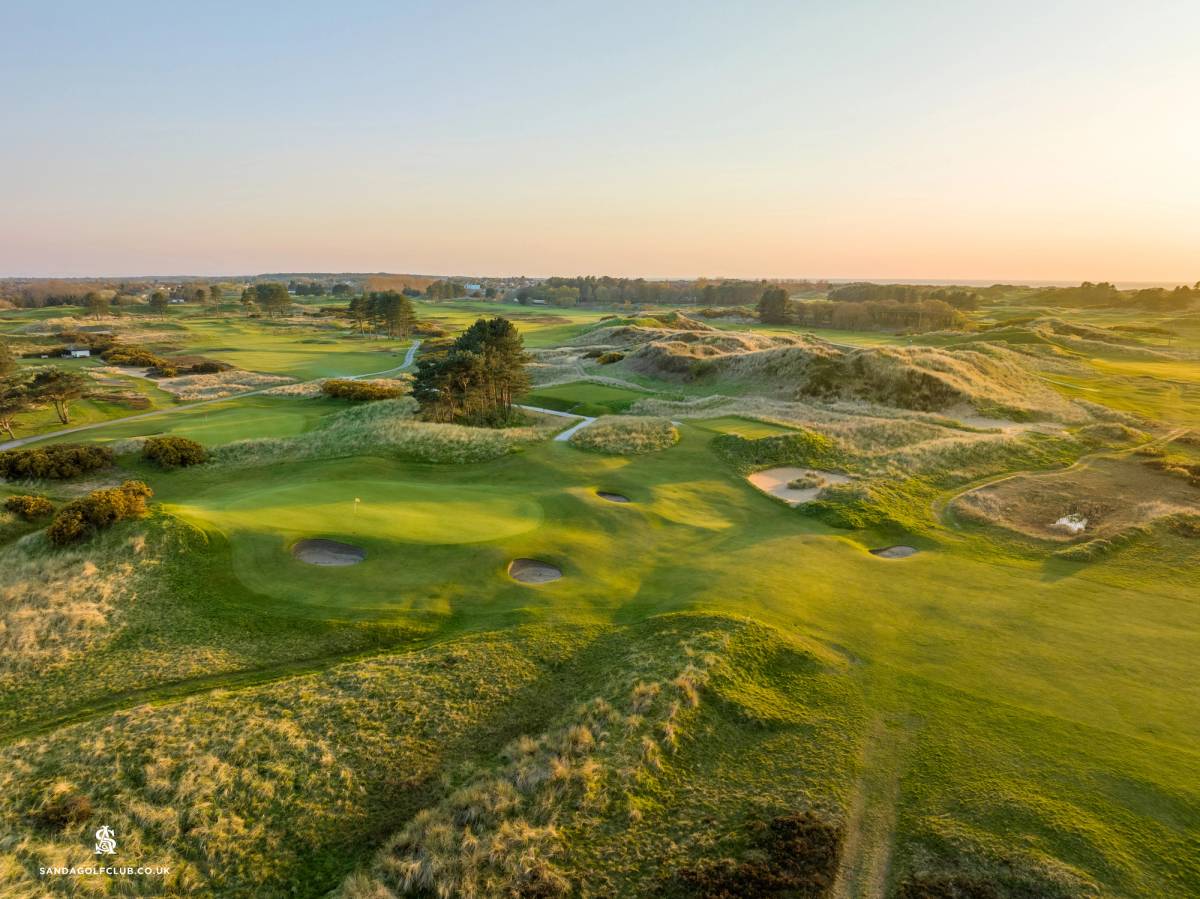
Established in 1906 amid the tall sandhills and dunes of the Lancashire coast, Southport & Ainsdale is a classic links course that has twice hosted the Ryder Cup, in 1933 and 1937, and continues to serve as an Open Championship final qualifying venue. Its demanding routing through towering dunes, including the famous Gumbley's and Cop Bunker holes, has made it one of England's most respected championship tests.
Founded in 1914 and playing from Park Road West alongside the neighbouring Park and Alt clubs, Southport Golf Club shares use of the municipal Southport Golf Links, a seaside course established in 1912 with undulating fairways and views over the Irish Sea.
Known as Marland Golf Course, this 18-hole municipal course opened in 1927 within Springfield Park, Rochdale's largest park, laid out on the former site of a 13th-century monastic grange. Set in 80 acres of pleasant parkland sloping down to the River Roch, it requires no membership or advance booking on weekdays and shares the park with a lake, miniature steam railway and sports facilities.

The Fylde Coast is famous for its golden sandy beaches, promenades, piers and of course its famous tower, which dominates the skyline. Blackpool Tower – a half size copy of the Eiffel Tower – was completed way back in 1894, but golf at St Annes Old Links Golf Club was first played years before the tower had even reached the drawing board. Running parallel with each other, the 10th and 18th holes at St Annes Old Links are all that now remains of the…
St Helens Golf Club is the members' club playing over the Sherdley Park municipal course, a mature 18-hole parkland/woodland layout designed by Peter Parkinson in the mid-1970s. Tree-lined fairways and distinctive undulating greens test golfers of all standards, with the club sharing the council-run park's facilities.
Built by proprietors Alison and Peter Wigglesworth, who launched the first nine holes in 2006 and completed the full 18-hole, par-72 layout in August 2009, Staining Lodge is the largest pay-and-play course in the Fylde area at 160 acres. Wide, forgiving fairways suit beginners while four testing par 5s challenge better players, with views stretching to the Pennines and no formal membership required.
Set at Ashbourne Grove in Whitefield, this parkland-heathland course offers wide-reaching views into Lancashire and neighbouring counties, with only two par 5s and two par 3s making for a compact but testing round. Its fairways and greens are long-admired, with holes 4, 9 and 10 the standouts, and the 13th, framed by bunkers and rhododendron bushes, a particular springtime highlight.
Established in 1932, with the original nine holes designed by James Braid and extended to a full 18 in 1967, this friendly municipal course sits within historic Towneley Park, Burnley. Its Grade II-listed clubhouse is a converted 18th-century farmhouse, and mature trees, ponds and streams make for a proper test of golf despite the course's modest length, with a notorious pond guarding the 2nd and 3rd holes.
Founded in 1908 to a design by Alec Herd, this moorland and parkland course sits on the edge of the West Pennine Moors north of Bolton, with breathtaking views said to stretch across five counties. The dogleg-left 5th, 'Oak Tree', is the signature hole, and smooth, subtly undulating greens keep the course among the best regarded in the Bolton area.

The Golf Courses of the British Isles Wallasey Golf Club is situated on the cusp of the Wirral Peninsula with views across the River Mersey. It's here, on the Wirral, that we start (or end) our journey after playing a host of classic links courses along England's magical northwest coastline - St Annes Old Links, Royal Lytham St Annes, Fairhaven, Royal Birkdale, Hillside, Southport Ainsdale, Formby, West Lancs, and then Royal Liverpool, which is also on…
Established in 1906 on the hills above Bury, Walmersley has evolved over the decades into a challenging 18-hole moorland/heathland course with panoramic views stretching across Manchester, North Cheshire and Merseyside. Undulating terrain and well-placed bunkers around the greens make for a memorable test for golfers of all abilities.
Founded in 1909 in the historic Garden Suburb south of Oldham, this compact 62-acre course is among the smallest 18-hole layouts in the North West, its tight tree-lined fairways and small greens rewarding precision over power. A feature ravine crosses the course, and the friendly clubhouse is known for its warm Lancashire hospitality.
Founded in 1896 when land was bought from Yew Tree Farm for an original nine holes, the course was extended to 18 in 1923 with the addition of Leyfield Farm. Set in a leafy Liverpool suburb, this mature parkland layout is tree-lined with lush fairways, and its signature par-3 14th features a water hazard overlooked directly from the clubhouse.
The villagers' section of West Derby Golf Club, playing over the same mature 1896-founded parkland course in the West Derby suburb of Liverpool.

West Lancashire Golf Club is the oldest surviving golf club in Lancashire, although, strictly speaking, Blundellsands is now part of the borough of Merseyside. In 1901, Harold Hilton, one of the finest amateur golfers of all time, was the Secretary of West Lancashire Golf Club. That same year, he won the British Amateur Championship at St Andrews, beating J Low by one hole. Hilton was also the British Open champion in 1892 and 1897, a feat only surpassed…
Founded in 1929 at Long Island, Westhoughton, this flat, walkable parkland course shows two distinct characters: the front nine, added in 2005, is open and scenic with generous greens, while the original back nine has tight, tree-lined fairways demanding precision, with a water hazard nicknamed 'Lake Surprise' adding to the challenge. The welcoming clubhouse is a converted farmhouse offering bar and restaurant facilities.
Founded in 1932 just north of Manchester with easy access from the M60, this 18-hole parkland course is known for its testing par 3s, which demand precision despite the course's moderate length. A modern golf performance centre with TrackMan technology and a putting lab supplements the traditional clubhouse restaurant and bar.
Opened in 1906 on the outskirts of Littleborough and often described as a hidden gem, Whittaker is a mature moorland course overlooking the Pennines and Hollingworth Lake, with lush fairways and excellent greens across a par-68 layout featuring two par 5s and six par 3s. More than 20,000 trees have been planted since 1893, and the club marked its centenary in 2006 with an annual Invitation Day that continues today.
Opened in 1924, drawing many members from the recently folded Hough Green Golf Club, Widnes is a tight parkland course close to the town centre with narrow, tree-lined fairways and small, fast greens that demand accuracy over length. A stream running across and alongside several holes adds to the challenge, and the course finishes with a testing 174-yard uphill par 3 in front of the clubhouse.
Founded in 1898 as a nine-hole course and later extended to 18, Wigan Golf Club's clubhouse is Arley Hall, a historic building surrounded by a 12th-century moat. The Gaunt & Marnock-designed parkland layout winds through mature trees, rewarding precision over raw length, and a limited membership keeps the course peacefully uncrowded.
Formed on 20 June 1890, making it the oldest golf club in East Lancashire, Wilpshire began on a nine-hole course rented from a local farmer before James Braid redesigned it in the 1920s. The parkland-moorland course's opening holes use trees and greenside bunkers to punish wayward shots, but the 7th tee reveals sweeping views across the Ribble Valley to Blackpool Tower in the west and Pendle Hill and the Yorkshire Dales in the east.
Formally incorporated in 1918 and dating to around 1900/01, Woolton occupies the historic Doe Park estate in south Liverpool. Though a modest par 69 on the card, the mature, tree-lined parkland fairways with eleven par 4s, two testing par 5s and five par 3s call for tactical placement over power, and a traditional clubhouse alongside a modern indoor swing studio round out the facilities.
Founded in 1894 at a meeting at Monton Memorial School instigated by local businessman H. Stafford Golland, the club laid out its original course at Broadoak Park, part of the Earl of Ellesmere's estate, to a design by George Lowes, professional at St Annes. The Earl of Ellesmere himself became the club's first president.